
Table of Contents
We Have the Meats. Now Mind the Gaps.

Key Takeaways
- Transition picks (1–4): electrolytes, magnesium glycinate, vitamin C, and psyllium fiber cover the cramps, headaches, and constipation most readers hit in the first month.
- Gap-filler picks (5–9): omega-3, vitamin D3/K2, kelp iodine, digestive enzymes, and beef liver capsules address what disappears when produce, grains, and dairy leave the plate.
- Hard cautions: the best supplements for carnivore diet do not make it safe with kidney disease, heart disease, gout, pregnancy, or diabetes meds — clinician first.
Save This Post for Later
Save this best supplements for carnivore diet guide before you compare products.

Transition vs Long-Term Gaps
The best supplements for carnivore diet beginners usually address electrolytes and constipation first, while long-term users need a tougher nutrient-gap conversation.

Carnivore Transition Picks
These best supplements for carnivore diet transition weeks focus on the symptoms people tend to notice first.
#1 – Electrolyte Powder

For this guide, the best supplements for carnivore diet support start with electrolytes because many carnivore plans function like very low-carb diets.
- Active ingredient: Electrolytes, vitamins, and sugar-free sweeteners.
- Best for: Low-carb transition, cramps, headaches, and travel.
- Potential side effects: Sodium concerns, sweetener intolerance, kidney or heart cautions.
How It Helps
Electrolytes are the obvious first lane because low-carb eating can change fluid handling. A packet may help some readers feel better early. It can also be the wrong move for high blood pressure, kidney disease, heart disease, or sodium restriction. This needs a loud caution.
#2 – Magnesium Glycinate
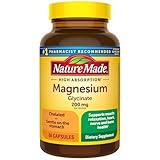

For this guide, the best supplements for carnivore diet support include magnesium because many plant sources disappear.
- Active ingredient: Magnesium glycinate.
- Best for: Low plant intake, cramps, and evening support.
- Potential side effects: Loose stools, kidney concerns, medication timing conflicts.
How It Helps
Magnesium belongs high because carnivore removes many common magnesium-rich plant foods. Glycinate is gentler than citrate if the goal is not laxative support. It fills a potential gap, not a carnivore miracle. People with kidney disease need medical guidance.
#3 – Vitamin C
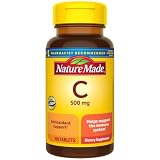
For this guide, the best supplements for carnivore diet support include vitamin C because the no-plant premise creates an obvious question.
- Active ingredient: Ascorbic acid.
- Best for: Strict carnivore eaters avoiding fruit and vegetables.
- Potential side effects: GI upset, kidney stone concerns, iron-overload cautions.
How It Helps
Vitamin C is where carnivore gets awkward, which is why it belongs here. A diet cutting out fruits and vegetables deserves a vitamin C discussion. That does not mean mega-dosing is smart. Frame this as gap support, not a hack that makes the diet complete.
#4 – Fiber Supplement


For this guide, the best supplements for carnivore diet support include fiber because bowel function matters more than rule purity.
- Active ingredient: Psyllium husk soluble fiber.
- Best for: Constipation-prone readers who are not carnivore purists.
- Potential side effects: Bloating, worse constipation without water, swallowing concerns.
How It Helps
Fiber is controversial in carnivore circles, but reader safety wins. If someone is constipated, hard stool and low fiber intake are practical issues. Psyllium is not carnivore-purist, and the article should say that plainly. It is an option for people prioritizing bowel movements.
Carnivore Gap-Filler Picks
These best supplements for carnivore diet gaps are about what disappears when fruits, vegetables, grains, legumes, nuts, seeds, and many dairy foods disappear.

#5 – Omega-3 Fish Oil

For this guide, the best supplements for carnivore diet support include omega-3 when the plate is mostly red meat.
- Active ingredient: EPA and DHA omega-3 fatty acids.
- Best for: Carnivore eaters who do not eat fatty fish.
- Potential side effects: Fish burps, fish allergy, blood-thinner cautions.
How It Helps
Omega-3 depends on the actual carnivore plate. Someone eating salmon and sardines does not have the same gap as someone eating mostly beef and bacon. Fish oil is cleaner than vague anti-inflammatory claims. Keep this as fat-quality support.
#6 – Vitamin D3/K2
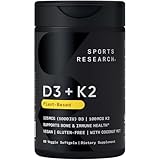
For this guide, the best supplements for carnivore diet support include vitamin D only when labs, sun exposure, or intake point that way.
- Active ingredient: Vitamin D3 and vitamin K2.
- Best for: Low sun exposure or lab-confirmed low vitamin D.
- Potential side effects: High calcium, kidney concerns, blood thinner issues with K2.
How It Helps
Vitamin D is not unique to carnivore, but it is a common gap conversation. Keep it lab-guided and avoid pretending every reader needs it. The K2 pairing can complicate blood thinner use. This is practical, not magic.
#7 – Kelp Iodine
No products found.
For this guide, the best supplements for carnivore diet support include iodine only for a specific missing-food pattern.
- Active ingredient: Kelp-derived iodine.
- Best for: People avoiding seafood, dairy, and iodized salt.
- Potential side effects: Thyroid disruption, medication conflicts, excessive iodine.
How It Helps
Iodine can be a real gap if the diet has no seafood, dairy, or iodized salt. Kelp should not be used casually because iodine can swing thyroid issues in the wrong direction. The right reader is specific. This is a clinician-check lane for thyroid history.
#8 – Digestive Enzymes

For this guide, the best supplements for carnivore diet support include digestive enzymes only as a cautious optional pick.
- Active ingredient: Digestive enzyme blend.
- Best for: People who feel heavy after fatty meat meals.
- Potential side effects: Reflux, irritation, gallbladder or pancreas cautions.
How It Helps
Digestive enzymes may help some readers tolerate heavier meals. They should not cover up severe pain, gallbladder symptoms, or unexplained digestive problems. This is buyer-relevant because carnivore meals can be heavy. It is not foundational.
#9 – Beef Liver Capsules
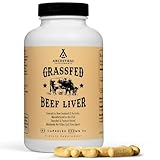
For this guide, the best supplements for carnivore diet support include organ capsules with the most restraint.
- Active ingredient: Freeze-dried beef liver.
- Best for: Readers who refuse organ meats but want animal-source micronutrients.
- Potential side effects: Vitamin A, copper, iron overload, gout concerns, pregnancy cautions.
How It Helps
Organ supplements are popular in carnivore content, but they should not be the hero. They are not a complete insurance policy for a restrictive diet. They can also stack fat-soluble vitamins and minerals. They belong here only with clear limits.
How to Choose Carnivore Supplements
Choosing the best supplements for carnivore diet is easiest when you match the product to the actual problem, the label, and your medical history.
- Match the job: choose a product for the symptom, gap, or routine problem you actually have.
- Check the label: watch dose, sugar, sodium, stimulants, duplicate nutrients, allergens, and serving size.
- Use caution: Purity claims: A supplement list should not make a restrictive diet sound balanced by default.; Organ megadosing: Vitamin A, copper, and iron can stack quickly.; Ignoring labs: Long-term carnivore deserves lab and clinician oversight.
Goals by Problem
These best supplements for carnivore diet options usually fit one of these jobs.
FAQs
These are the reader questions worth answering before choosing the best supplements for carnivore diet.
Do carnivore dieters need supplements?
The best supplements for carnivore diet support depend on how strict the diet is, whether seafood or dairy is included, and what labs show. Electrolytes, magnesium, vitamin C, iodine, fiber, omega-3, digestion support, and vitamin D are common comparison lanes. Medical history matters because carnivore is very restrictive, especially long term or symptoms are changing.
Is fiber allowed on carnivore?
The best supplements for carnivore diet constipation may include psyllium even though it is not carnivore-purist. That is an honest tradeoff. If hard stool, straining, or irregularity becomes the problem, bowel function matters more than internet rules. Use water, start slowly, and separate fiber from medications, especially if swallowing is difficult or symptoms are severe.
What are the best supplements for carnivore diet?
Electrolytes, magnesium glycinate, vitamin C, psyllium, omega-3, vitamin D, iodine, digestive enzymes, and beef liver capsules are the main comparison categories. The order matters: start with transition symptoms and obvious gaps before organ-heavy products. Long-term use should be lab-aware, clinician-guided, and honest about what a meat-only pattern removes before trusting any internet purity rule too.
Are organ supplements enough on carnivore?
The best supplements for carnivore diet support should not rely on organ capsules alone. Beef liver can provide animal-source micronutrients, but it can also stack vitamin A, copper, and iron. It does not solve fiber, electrolyte, iodine, vitamin D, cholesterol, gout, constipation, or kidney concerns by itself, even if the marketing sounds complete at all.
Who should avoid carnivore supplements?
The best supplements for carnivore diet support need extra caution with kidney disease, heart disease, gout, pregnancy, high cholesterol, eating disorder history, diabetes medication, blood thinners, thyroid disease, or severe constipation. Supplements do not make a restrictive diet safe for everyone. Medical guidance is the adult move here before you double down or symptoms worsen.
Final Verdict
The best supplements for carnivore diet should make a restrictive eating plan safer to evaluate, not easier to rationalize.
- Best first pick: electrolytes make the most sense during a low-carb transition.
- Best honest pick: fiber belongs here even if carnivore purists hate it.
- Best caution: organ supplements, iodine, and vitamin D should not be guessed forever.
For the next step, pair this with the live guide to best supplements for constipation.
Resources
These are the main references behind this best supplements for carnivore diet guide: