Table of Contents
My Constipation Go-To Stack

Save This Post for Later
Save this best supplements for constipation guide before you shop or compare products.

Occasional Constipation vs Prevention
This post is structured into two clear lists so you can match the best supplements for constipation to the actual problem:
- Supplements for constipation relief – for short-term backup, hard stool, travel constipation, or the “nothing is moving” feeling.
- Supplements for constipation prevention – for chronic constipation patterns, fiber gaps, irritable bowel syndrome overlap, and maintenance support.
That distinction matters. A rescue product is not the same thing as a daily routine. Psyllium, magnesium citrate, and MiraLAX sit near the top because they cover the most useful constipation relief lanes without pretending every type of laxative works the same way.
6 Supplements for Constipation Relief
When you are already backed up, the right constipation supplement can help soften stool, pull water into the bowel, or stimulate movement. These are the best supplements for constipation relief when you need something more direct than just hoping tomorrow goes better.
#1 – Psyllium Husk Fiber

- INTESTINAL HEALTH/HELPS MAINTAIN REGULARITY: Psyllium has the ability to swell…
- NATURAL SOLUBLE FIBER: Surveys have shown that the fiber content of the American…
- CERTIFICATIONS/CLASSIFICATIONS: Non-GMO Project Verified, Kosher…

Psyllium husk is one of the best supplements for constipation because it gives me the most predictable baseline when I take it consistently with enough water.
- Active Ingredient: Psyllium soluble fiber
- Best For: Daily regularity, hard stools, low-fiber diets, and long-term stool consistency
- Potential Side Effects: Gas, bloating, cramping, or worse constipation if you take too much too fast or do not drink enough water
How It Helps
Psyllium is a type of soluble fiber that absorbs water and forms gel-like bulk in the digestive tract. That bulk helps stool hold moisture and move more predictably. NIDDK recommends fiber and fluids as first steps for constipation support. For me, psyllium works best when I treat water as part of the dose.
My Experience
Psyllium is my number one pick because it works best as a daily routine. The catch is water: if I take it without enough water, it can make me feel heavier instead of better.
#2 – Magnesium Citrate

- Number 1 Pharmacist Recommended Vitamin & Supplement Brand*
- These statements have not been evaluated by the Food & Drug Administration; this…
Magnesium citrate is one of the best supplements for constipation when fiber alone is not enough and you need a more direct water-pulling effect.
- Active Ingredient: Magnesium citrate
- Best For: Occasional constipation, travel constipation, harder stools, short-term backup
- Potential Side Effects: Loose stools, urgency, cramping, dehydration risk, and electrolyte imbalances if overused
How It Helps
Magnesium citrate is a saline laxative made from magnesium and citric acid. It helps water stay with the stool, which can soften stool and increase bowel movements. That makes it different from psyllium, which is more of a daily structure tool. Higher doses can move from helpful to too much liquid quickly, so I keep it in the occasional-relief lane.
My Experience
Magnesium citrate is my number two pick. If I feel dry, hard, and stuck, it usually does more than adding another scoop of fiber. The mistake I used to make was treating every cause of constipation like the same problem. It is not.
#3 – MiraLAX / Polyethylene Glycol 3350

- Works naturally with the water in your body: MiraLAX laxative powder gently…
- No harsh side effects: A laxative for constipation that doesn’t cause gas…
- Nonstimulant: Cramp-free constipation relief for women and men that won’t…

MiraLAX is not technically a dietary supplement, but it belongs on a list of the best supplements for constipation because PEG 3350 is one of the most evidence-backed over-the-counter options.
- Active Ingredient: Polyethylene glycol 3350
- Best For: Occasional constipation, stubborn backup, people who do not tolerate sudden fiber increases well
- Potential Side Effects: Bloating, gas, loose stools, nausea in some people
How It Helps
Polyethylene glycol 3350 is an osmotic laxative. It holds water in the stool so stool is softer and easier to pass. The AGA/ACG guideline gives PEG a strong recommendation for chronic idiopathic constipation. That does not mean everyone needs MiraLAX first, but it does mean PEG has a serious evidence lane.
My Experience
I think of MiraLAX as the practical middle shelf: less “supplementy” than psyllium or magnesium, but less forceful-feeling than stimulant laxatives. Many health professionals include PEG in a constipation treatment plan for exactly that reason.
#4 – Magnesium Oxide

- Extra Strength Magnesium Oxide Supplement
- 750mg of Magnesium Oxide Per Serving (420mg of Magnesium)
- 240 Capsules Per Bottle
Magnesium oxide is one of the best supplements for constipation if you want a magnesium-based option with specific chronic constipation guideline support.
- Active Ingredient: Magnesium oxide
- Best For: Overnight osmotic support, constipation-prone adults who respond to magnesium, people who want a non-fiber option
- Potential Side Effects: Loose stools, cramping, electrolyte concerns if overused, especially in older adults or people with kidney diseases
How It Helps
Magnesium oxide works in the osmotic lane, meaning it can help draw water into the bowel and make stool easier to pass. AGA/ACG identifies magnesium oxide as an evidence-based option for chronic idiopathic constipation, with a conditional recommendation. Kidney function, magnesium levels, medical history, and other medications matter here. I would be especially careful with this one if kidney disease or electrolyte restrictions are in the picture.
My Experience
Magnesium oxide is not my first pick, but some people respond better to certain types of magnesium. Milk of magnesia sits in the same general magnesium supplement conversation; for me, magnesium citrate is still the clearer go-to.
#5 – Bisacodyl

- INCLUDES: One (1) 100-count box of Dulcolax stimulant laxative comfort-coated…
- DEPENDABLE CONSTIPATION RELIEF: Dulcolax tablets reactivate your natural gut…
- WORKS FAST: Dulcolax provides constipation relief in as little as six to…
Bisacodyl belongs near the best supplements for constipation relief when you need short-term rescue, but it is also one of the easiest categories to overuse.
- Active Ingredient: Bisacodyl
- Best For: Short-term constipation relief, occasional rescue use, travel backup
- Potential Side Effects: Cramping, diarrhea, dependency with long-term use, and electrolyte problems if abused
How It Helps
Bisacodyl is a stimulant laxative. It works by stimulating intestinal movement, which is why it belongs in the rescue lane rather than the daily fiber-and-fluid lane. Dulcolax-style products can be useful when you need predictable relief. I would not stack them with mineral oil, castor oil, or other aggressive laxative experiments unless a health care professional says to.
My Experience
Dulcolax is the one I respect but do not romanticize. It can get things moving, but my daily answer is still fiber, fluids, movement, and magnesium when needed.
#6 – OLLY Moving Along

- #1 GUMMY SUPPLEMENT BRAND: Join the (bowel) movement. For those moments when…
- THE GOODS INSIDE: Rhubarb is a laxative herb that helps to relieve occasional…
- HOW TO TAKE: Adults, take 2 gummies per day as needed. Chew thoroughly before…
OLLY Moving Along can fit a best supplements for constipation roundup if you want a gummy-style option instead of powders, capsules, or tablets.
- Active Ingredients: Herbal constipation-support blend, including rhubarb-based support depending on the current label
- Best For: Occasional constipation support, people who prefer gummies, travel backup
- Potential Side Effects: Cramping, loose stools, bloating, herb or medication interaction concerns
How It Helps
OLLY sits in the commercial constipation-support lane. I would treat it more like an occasional natural laxative support product than a foundational daily gut-health supplement. Herbal constipation products can drift into stimulant-laxative territory, and active ingredients can change. That does not make it useless, but it does make the current Supplement Facts panel worth reading every time.
My Experience
I would put OLLY in the “backup, not baseline” bucket. It is convenient during travel or chaotic weeks, but it does not replace psyllium, enough fluid, walking, and magnesium citrate when I need it.
5 Supplements for Constipation Prevention
Preventing constipation means focusing on long-term regularity, hydration, fiber tolerance, and routine. These are the best supplements for constipation prevention when you want a steadier baseline instead of waiting until things are already stuck.
#1 – Methylcellulose Fiber

- Citrucel caplets contain fiber for irregularity that won’t cause excess gas…
- Product Note: Exposure to heat or sunlight may lead to melting/damage of…
- Citrucel is clinically proven effective to help relieve occasional constipation
Methylcellulose is one of the best supplements for constipation if you want a bulk-forming fiber but do not tolerate psyllium well.
- Active Ingredient: Methylcellulose fiber
- Best For: Gentle stool bulk, fiber-sensitive users, people who bloat on psyllium
- Potential Side Effects: Gas, bloating, fullness, choking risk if taken without enough fluid
How It Helps
Methylcellulose is a bulk-forming laxative fiber. It can help add stool bulk and support regularity when taken with enough fluid. The main appeal is tolerability for people who feel too bloated on psyllium. It still needs water, because dry fiber is not a shortcut to regularity.
My Experience
Methylcellulose is not my top pick because psyllium works better for me, but I like it as the “psyllium made me too bloated” alternative. The best fiber supplements are the ones you can tolerate consistently.
#2 – Wheat Dextrin Fiber

- WHAT’S INCLUDED: One 17.6-ounce bottle of unflavored Benefiber Daily Prebiotic…
- BENEFIBER HELPS YOU FEEL FULLER LONGER: GLP-1 support for fiber gap*
- SUPPORTS DIGESTIVE HEALTH: Daily fiber powder supplement that nourishes the…
Wheat dextrin earns a spot among the best supplements for constipation because it mixes into drinks and soft foods without turning into sludge.
- Active Ingredient: Wheat dextrin soluble fiber
- Best For: Daily fiber gaps, easy mixing, people who hate thick fiber powders
- Potential Side Effects: Gas, bloating, wheat sensitivity concerns, possible FODMAP issues for some people
How It Helps
Wheat dextrin is a soluble fiber. It is not my strongest constipation pick, but it can help people close the grams of fiber gap. The advantage is that it mixes into drinks and soft foods without turning thick. That makes it useful when the real problem is consistency, not rescue relief.
My Experience
I see wheat dextrin as the easy-button fiber: not my rescue pick, but useful when fiber intake is falling apart.
#3 – Acacia Fiber

- USDA Certified Organic Acacia Senegal Fiber
- Batch Tested and Verified Gluten Free
- Product of France, packed in California
Acacia fiber is one of the best supplements for constipation for people with IBS overlap who need to build fiber slowly and carefully.
- Active Ingredient: Acacia senegal soluble fiber
- Best For: IBS-C overlap, gradual fiber building, sensitive digestive systems
- Potential Side Effects: Bloating, gas, discomfort if increased too quickly
How It Helps
Acacia fiber is a soluble prebiotic fiber. It is generally positioned as a gentler fiber option, especially for people who deal with IBS-style bloating and constipation at the same time. I would not rank it above psyllium for straight constipation. Its value is buyer fit: slow, cautious fiber building when stronger options feel like too much.
My Experience
Acacia fiber is a slow-build tool. It does not have magnesium citrate’s immediate effect, but for prevention, slow can be good.
#4 – Ground Flaxseed
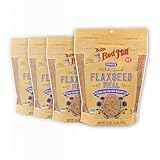
- SIMPLE GOODNESS YOU CAN TASTE: With its mild, nutty flavor, Bob’s Red Mill…
- POWER-PACKED SUPERFOOD: Bob’s Red Mill Flaxseed Meal is packed with omega…
- MILLED TO PERFECTION: Our flax meal is cold milled to preserve the freshness and…
Ground flaxseed is one of the best supplements for constipation if you want a food-based option that adds fiber and healthy fat without feeling like medicine.
- Active Ingredients: Ground flaxseed fiber and fat
- Best For: Oatmeal, yogurt, smoothies, food-first regularity
- Potential Side Effects: Gas, bloating, fullness, medication timing concerns
How It Helps
Ground flaxseed adds fiber and fat in a food-first format. MedlinePlus mentions ground flax seeds as an add-in for yogurt, cereal, soup, or smoothies. Chia seeds can play a similar role for some people. Ground matters, because whole flaxseeds can pass through without doing much.
My Experience
Flaxseed helps when I remember it, especially in oatmeal or yogurt where it does not feel like another supplement.
#5 – Probiotics
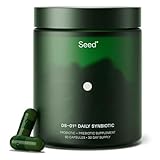
- 2-in-1 Formulation: DS-01 Daily Synbiotic is a 24-strain probiotic + prebiotic…
- Expertly Engineered: Seed’s proprietary capsule-in-capsule delivery system…
- Benefits Beyond the Gut: DS-01 contains key strains that support immune health…
A probiotic is one of the best supplements for constipation to consider if your constipation overlaps with bloating, IBS-C patterns, or gut-microbiome disruption.
- Active Ingredients: Product-specific probiotic strains; Bifidobacterium strains are the most relevant constipation evidence lane
- Best For: Constipation with bloating, microbiome support, people willing to test for several weeks
- Potential Side Effects: Gas, bloating, no benefit, and possible side effects in immunocompromised or seriously ill people
How It Helps
NCCIH notes that adult constipation research shows some evidence of benefit for probiotics, especially Bifidobacterium lactis. The evidence is still thinner than it is for fiber or polyethylene glycol. Strain, dose, and the gut microbiome all matter. That is why I treat probiotics as a measured trial, not an automatic constipation fix.
My Experience
Probiotics have been hit or miss for me. If I use one for constipation, I want the strain listed clearly and enough time to judge it fairly.
Constipation Supplements I Would Be Careful With
Some products show up beside the best supplements for constipation but make more sense as caution flags than recommendations.
- Aloe vera latex: I would not rank aloe vera latex for constipation. NCCIH notes that the FDA required manufacturers to remove aloe latex from over-the-counter laxative products because of limited safety data.
- Cascara and colon cleanse blends: If the label leans on “cleanse,” “detox,” or a mystery herbal blend, I get skeptical fast.
- Iron and calcium when constipation is already a problem: These are not constipation helpers. Tell your clinician if constipation started after a new supplement, antacid, or medication change.
Goals for Constipation Supplements
The best supplements for constipation usually fit one of these jobs.
Verdict: Best Supplements for Constipation
- Start with psyllium: It is still my number one daily pick for stool bulk, water retention, and a more repeatable routine.
- Use magnesium citrate when stuck: This is my stronger relief pick when I need a water-pulling effect instead of more fiber.
- Keep MiraLAX in the OTC lane: PEG 3350 has strong evidence, but I treat it as an over-the-counter laxative rather than a daily supplement.
Start with the most likely match, add fiber gradually, drink enough water, and get medical advice for severe pain, vomiting, blood, sudden bowel changes, or no bowel movement for several days.
For related gut-health planning, my guide to probiotics for IBS is the tighter next stop.
For a fiber-only comparison, see my guide to the best fiber supplements for constipation.
Resources
These are the main sources behind this best supplements for constipation guide.