In This Guide
Why I Buy Keto Supplements

Key Takeaways
- Start here: Electrolytes and magnesium are the two best supplements for keto diet transition weeks, because sodium and water leave fast once carbs drop.
- Do not skip fiber: Constipation is the most predictable keto problem, and psyllium with enough water solves more of it than any keto-branded capsule.
- Clear it with your clinician: Kidney disease, blood pressure drugs, diuretics, diabetes medication, and pregnancy all change which of these eleven are safe for you.
The 11 Best Supplements for Keto Diet, Ranked
These eleven picks are ranked by how often they solve a problem people actually have, not by how loudly they are marketed. The first three do most of the work.
#1 – Electrolyte Powder
Electrolytes lead this list of the best supplements for keto diet weeks because the first low-carb month changes how much sodium and water your body holds onto.

- Active ingredients: Sodium, potassium, and a sugar-free sweetener blend.
- Best for: The early low-carb switch, hot weather, travel, and training days.
- Timing: One packet in water on days with cramps, light-headedness, or heavy sweating.
- Potential side effects: Sweetener intolerance, bloating, and far too much sodium for anyone told to limit it.
How It Helps
Cutting carbs lowers insulin, and lower insulin tells the kidneys to let go of sodium and water. That is why night cramps, the head rush when you stand up, and flat workouts all tend to show up in the same week. A sugar-free packet is an easier daily habit to defend than a sports drink. Of all the best supplements for keto diet starters, this is the one that changes how the first month actually feels.
Who It Fits
This pick fits someone cramping, dizzy, or sweating hard in the first weeks of a low-carb menu. It does not fit anyone on a sodium-restricted diet, blood pressure medication, or a potassium-sparing diuretic without clearing it with a clinician first.
#2 – Magnesium Glycinate
Magnesium ranks second among the best supplements for keto diet routines because the foods that carry most of it, beans, whole grains, and fruit, are the first ones cut.
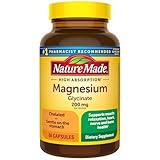

- Active ingredients: Magnesium bisglycinate.
- Best for: Night cramps, restless sleep, and a menu light on greens, nuts, beans, and grains.
- Timing: With an evening meal, spaced a couple of hours away from other medicines.
- Potential side effects: Loose stools, medication timing conflicts, and genuine risk in kidney disease.
How It Helps
Harvard Health names magnesium directly when it lists the nutrients a ketogenic menu can leave short. Glycinate is the gentler form when you want the mineral without the laxative effect that citrate and oxide bring. NIH ODS is clear that supplemental magnesium, not food magnesium, is what causes problems at high doses. Among the best supplements for keto diet daily use, this one earns its slot quietly and cheaply.
Who It Fits
This pick fits a low-carb eater with cramps, poor sleep, or a plate that rarely includes greens or nuts. It does not fit anyone with reduced kidney function, or anyone already taking a magnesium-containing laxative or antacid, without a clinician check.
#3 – Fiber Supplement
Fiber belongs this high on any honest best supplements for keto diet list, because constipation is the single most predictable thing that goes wrong.

- Active ingredients: Psyllium seed husk soluble fiber.
- Best for: Low-fiber weeks, hard stools, and a plate built mostly on meat, cheese, and eggs.
- Timing: With a full glass of water, started at a low dose and separated from medicines.
- Potential side effects: Bloating, worse constipation without enough water, and swallowing concerns.
How It Helps
Harvard Health lists constipation as a standard keto risk for a simple reason: grains and legumes are gone, and most people do not replace them with enough low-carb vegetables. Psyllium is the cheapest fix on this page and one of the few with an obvious result within a week. It needs real water to work. Of the best supplements for keto diet fixes, this is the least glamorous and the most reliable.
Who It Fits
This pick fits anyone whose bathroom routine changed within two weeks of cutting carbs. It does not fit someone with a history of bowel obstruction, difficulty swallowing, or an inflammatory bowel condition, and it should never be taken dry or right before bed.
#4 – MCT Oil
MCT oil sits below the essentials here, because it is a macro convenience rather than one of the best supplements for keto diet problem-solving.
- Active ingredients: Medium-chain triglycerides from coconut or palm.
- Best for: Adding fat to coffee or smoothies without adding carbohydrate.
- Timing: Start at a teaspoon with food, and build slowly over two weeks if at all.
- Potential side effects: Diarrhea, cramping, reflux, and cautions with gallbladder or pancreas history.
How It Helps
MCT oil is the most keto-famous product on this page and the one most likely to be oversold. It does what it says: it adds fat in a form the liver processes quickly, which suits people struggling to hit their fat target. It does not burn fat, and a tablespoon on day one will ruin your afternoon. Treat it as a tool, not one of the best supplements for keto diet essentials.
Who It Fits
This pick fits someone who genuinely cannot hit a fat target from food and tolerates it in small amounts. It does not fit anyone who has had their gallbladder removed, anyone with pancreatic problems, or anyone hoping a spoonful of oil will accelerate weight loss.
#5 – Omega-3 Fish Oil
Omega-3 makes the best supplements for keto diet shortlist when the high-fat plate is not actually a high-quality-fat plate.

- Active ingredients: EPA and DHA omega-3 fatty acids.
- Best for: Low-carb menus built on bacon, cheese, and processed meat rather than fish.
- Timing: With a meal containing fat, at the dose printed on the label.
- Potential side effects: Fish burps, bleeding-risk cautions, and fish or shellfish allergy.
How It Helps
Keto says nothing about which fats you eat, and that is the gap here. Someone eating salmon and sardines twice a week has little to gain. Someone eating bacon and cheese for two weeks has a very different fatty acid profile. This is support for a lopsided plate, not a treatment for anything. Among the best supplements for keto diet gap-fillers, it is the one most easily solved with food instead.
Who It Fits
This pick fits a low-carb eater who rarely eats oily fish and is leaning hard on saturated fat. It does not fit anyone on a blood thinner, anyone with a fish allergy, or anyone already taking a high-dose fish oil prescribed by a clinician.
#6 – Vitamin D3
Vitamin D earns a best supplements for keto diet slot when a blood test or genuinely low intake points at a gap, not simply because the diet is restrictive.

- Active ingredients: Vitamin D3 as cholecalciferol.
- Best for: Low sun exposure, northern winters, or a documented low blood level.
- Timing: With a meal that contains fat, at the label dose or a clinician-set dose.
- Potential side effects: High calcium, kidney stones, and accidental double-dosing across products.
How It Helps
Vitamin D is not keto-specific, which is exactly why it gets missed. NIH ODS is careful about the evidence and equally careful about the ceiling: more is not better, and stacking a standalone capsule on top of a multivitamin is how people quietly overshoot. This is a lab-aware pick. Of the best supplements for keto diet options here, it is the one most worth testing before buying.
Who It Fits
This pick fits someone with a known low reading or very little sun for half the year. It does not fit anyone with high blood calcium, kidney disease, sarcoidosis, or anyone taking a thiazide diuretic, without a clinician setting the dose.
#7 – Creatine Monohydrate
Creatine appears on this best supplements for keto diet list for one reason: plenty of people cut carbs and lift weights in the same month.


- Active ingredients: Creatine monohydrate.
- Best for: Strength training through a calorie deficit, and protecting lean mass.
- Timing: Three to five grams daily, at any time, with enough water.
- Potential side effects: A few pounds of water weight, stomach upset, and kidney-disease cautions.
How It Helps
Creatine is not a fat-loss product and it will not put you into ketosis faster. It is here because losing weight without losing muscle is the harder half of the job, and creatine plus resistance training is one of the better-evidenced ways to protect that. The scale will nudge up in week one from water. Of the best supplements for keto diet add-ons, it is the most sports-specific.
Who It Fits
This pick fits someone lifting seriously while eating low-carb and eating enough protein to make it count. It does not fit someone who is not training, or anyone with kidney disease or a clinician-set limit on fluid or protein intake.
#8 – Multivitamin
A plain multivitamin is a more honest best supplements for keto diet choice than any greens powder promising a detox.

- Active ingredients: A broad vitamin and mineral blend.
- Best for: Repetitive low-carb menus with very few vegetables week after week.
- Timing: With food, split across the day if the label says two capsules.
- Potential side effects: Nausea on an empty stomach, duplicate dosing, and medication timing conflicts.
How It Helps
Harvard Health lists selenium, phosphorus, and B and C vitamins alongside magnesium as the shortfalls a narrow ketogenic menu invites. A multivitamin covers that spread cheaply, which a scoop of powdered kale does not. It is insurance, not a vegetable, and it does not detox anything. Of the best supplements for keto diet gap-fillers, this is the one to check against everything else in your cupboard.
Who It Fits
This pick fits someone eating the same four low-carb meals on repeat and not managing much variety. It does not fit someone already taking standalone vitamin D, magnesium, and fish oil, where the overlap becomes a real dosing problem rather than a theoretical one.
#9 – Digestive Enzymes
Digestive enzymes sit near the bottom of the best supplements for keto diet order because they treat a symptom rather than a shortfall.

- Active ingredients: A digestive enzyme blend including lipase.
- Best for: Feeling heavy or sluggish for hours after a very high-fat meal.
- Timing: With the meal itself, not afterwards.
- Potential side effects: Reflux, throat irritation, and cautions with gallbladder or pancreas history.
How It Helps
Some people genuinely feel better taking these with a heavy meal, and that is a reasonable thing to try. What they must not do is paper over pain. Upper abdominal pain after fatty food, especially with nausea, is a gallbladder conversation and not a supplement one. Among the best supplements for keto diet picks, this is the one where masking a symptom carries a real cost.
Who It Fits
This pick fits someone with mild, predictable heaviness after fatty meals and nothing more serious going on. It does not fit anyone with actual pain, unexplained weight loss, or a known gallbladder or pancreatic condition, all of which need assessment rather than a capsule.
#10 – Collagen Peptides
Collagen is the most optional entry among the best supplements for keto diet choices, and it is here because it is genuinely easy to use.

- Active ingredients: Hydrolyzed bovine collagen peptides.
- Best for: Adding protein variety to coffee, and joint or skin goals.
- Timing: Any time of day, stirred into a hot or cold drink.
- Potential side effects: Fullness, mild stomach upset, and allergen concerns with bovine or marine sources.
How It Helps
Collagen dissolves into coffee without carbs, which is why it spread through low-carb circles so fast. It is not a complete protein, so it adds variety rather than replacing a meal. The evidence is modest and clusters around joint and skin outcomes rather than anything metabolic. Of the best supplements for keto diet list, treat this as a convenience rather than a requirement.
Who It Fits
This pick fits someone already hitting their protein target who wants an easy extra scoop and has a joint or skin goal. It does not fit anyone counting on it as their main protein source, or anyone with a bovine or marine allergy.
#11 – Probiotics
Probiotics come last on this best supplements for keto diet list on purpose, because the evidence is strain-specific and the marketing is not.

- Active ingredients: Lactobacillus rhamnosus GG.
- Best for: Gut support when fermented foods and fiber-rich plants both drop out.
- Timing: Once daily, consistently, and separated from antibiotics by a few hours.
- Potential side effects: Gas, bloating, and real cautions for immunocompromised readers.
How It Helps
Cutting carbs usually means cutting the prebiotic plants and fermented foods that feed gut bacteria, so the question is fair even if the answers are messy. Results depend on the specific strain, not on the word probiotic on the front of the tub. Food first still wins where it is possible. Of the best supplements for keto diet options, this is the one with the widest gap between claims and proof.
Who It Fits
This pick fits someone whose digestion changed after cutting fermented foods and who wants to trial a named strain for a month. It does not fit anyone immunocompromised, seriously unwell, or hoping a capsule will fix symptoms that have gone on for months.
Save This Post for Later
Save this best supplements for keto diet guide before you start comparing labels, doses, and prices.

How to Choose Keto Supplements
Choosing between the best supplements for keto diet options gets easy once you stop shopping by category and start shopping by symptom.
- Match the job: Buy for the cramp, the constipation, or the blood test you actually have, not for the diet you are on.
- Read the whole label: Check dose, sodium, sweeteners, stimulants, allergens, and serving size, then check what already overlaps in your cupboard.
- Skip exogenous ketones: They raise a number in your blood, cost a great deal, and do nothing about food quality.
- Skip high-dose potassium pills: Kidney, heart, and medication risks put these firmly in clinician territory rather than the supplement aisle.
- Skip stimulant fat burners: A caffeine stack is not a nutrition strategy and has no place in a careful plan.
Goals by Problem
Nearly every one of the best supplements for keto diet routines maps onto one of these four jobs, which is a faster way to shop than reading eleven labels.
FAQs
These are the questions I would answer before buying any of the best supplements for keto diet options above.
What are the best supplements for keto diet beginners?
Start with two. An electrolyte packet handles the sodium and water your kidneys dump once insulin falls, which covers the cramps and the head rush. Psyllium handles the constipation that arrives when grains and legumes disappear. Magnesium is a close third. Everything else on this page can wait until a real problem actually shows up.
Do you need supplements on keto?
No. Plenty of people eat a low-carb menu with enough vegetables, salt, and variety to need nothing at all. The best supplements for keto diet weeks exist to patch specific gaps, not to make the diet itself work. If your energy, digestion, and sleep are all fine, save your money and just keep eating well.
Which best supplements for keto diet picks are overrated?
Exogenous ketones lead that list. They raise blood ketones without touching body fat, and they are expensive. Stimulant fat burners belong nowhere near a careful plan. High-dose potassium pills carry genuine cardiac and kidney risk. Detox greens powders cost more than a multivitamin and do less. None of those four fixes an actual diet problem.
Can fiber fit into keto?
Yes, and it usually must. Fiber is not a failure of low-carb eating, it is the part most people accidentally delete. Psyllium is one of the best supplements for keto diet routines precisely because it adds bulk without meaningful digestible carbohydrate. Take it with enough water, build the dose slowly, and space it from medicines.
How do the best supplements for keto diet interact with medication?
More than people expect. Magnesium and psyllium both interfere with absorption, so space them a few hours from other tablets. Sodium and potassium products matter enormously on blood pressure drugs and diuretics. Fish oil matters a great deal on blood thinners. Bring the actual bottles to your pharmacist rather than a list typed from memory.
Your Best Supplements for Keto Diet Plan
If you buy nothing else, buy salt and psyllium. The picks that earn their place are not the ones with ketones on the label, they are the ones that answer the two complaints almost everybody gets in the first month.
- Best first buy: An electrolyte powder, because the cramps and the head rush are the fastest thing to fix.
- Best daily habit: Magnesium glycinate and psyllium, the two cheapest items here and the two that keep earning their place.
- Biggest caution: Sodium and potassium products, which need a real conversation if you take blood pressure medication or have any kidney history.
Fix the food first, then patch the gaps. For the next step, pair this with my guide to easy keto waffles.
Resources
These are the references behind the best supplements for keto diet guidance on this page: