The best fiber supplements for constipation match one fiber type to your tolerance, routine, and water intake.
Table of Contents
My Constipation Fiber Routine

I have dealt with constipation for most of my life, and fiber has never been a one-scoop answer. The best fiber supplements for constipation work only when the type, serving, and water fit my gut. A product that feels easy for one person can leave someone else bloated, cramped, or even more backed up.
That is why this list stays fiber-only. I compared capsules, low-thickening powders, fermentable fibers, and food-like blends instead of padding the rankings with magnesium, probiotics, or laxatives that belong in a broader constipation guide.
The National Institute of Diabetes and Digestive and Kidney Diseases recommends adding fiber gradually and drinking enough liquid to help it work. Severe pain, vomiting, blood, a swollen abdomen, or an inability to pass stool or gas is not a reason to add another scoop. It is a reason to get medical help.
Key Takeaways
- Start with type: Fiber types behave differently, so compare one form at a time.
- Increase slowly: A smaller first serving makes gas, cramping, and tolerance easier to judge.
- Count the water: Bulk-forming fiber can backfire when fluid intake is too low.
Save This Post for Later
Save this fiber supplement guide before you compare powders, capsules, labels, and water instructions.
Hover over this pin to save this post for later.

Bulk-Forming Fiber Picks
These best fiber supplements for constipation start with familiar bulk-forming choices, then move toward gentler low-thickening options.
#1 – Psyllium Husk Capsules
Product Pick

- INTESTINAL HEALTH/HELPS MAINTAIN REGULARITY: Psyllium has the ability to swell…
- NATURAL SOLUBLE FIBER: Surveys have shown that the fiber content of the American…
- CERTIFICATIONS/CLASSIFICATIONS: Non-GMO Project Verified, Kosher…

Psyllium is the baseline comparison because it absorbs water, forms a gel, and adds bulk. Capsules avoid mixing, although reaching the label serving can mean taking several.
- Active ingredients: Psyllium husk soluble fiber.
- Best for: Hard stool, low fiber intake, and readers who prefer capsules.
- Timing: Take with a full glass of water and separate from medicines as directed.
- Potential side effects: Gas, bloating, cramping, choking risk, or worse constipation without enough water.
How It Helps
Among these fiber options, psyllium offers the strongest all-around starting point when you can drink enough water and separate it from medicines.
Who It Fits
These capsules fit readers who want a familiar fiber-first baseline.
#2 – Methylcellulose Caplets
Product Pick

- Citrucel caplets contain fiber for irregularity that won’t cause excess gas…
- Product Note: Exposure to heat or sunlight may lead to melting/damage of…
- Citrucel is clinically proven effective to help relieve occasional constipation

Methylcellulose is a nonfermentable bulk-forming fiber. That makes Citrucel useful when fermentable powders produce more gas than benefit, although the caplet count can be inconvenient.
- Active ingredients: Methylcellulose fiber.
- Best for: Bloating-prone readers who still want a bulk-forming option.
- Timing: Take with the label-directed water at a repeatable time.
- Potential side effects: Cramping, swallowing difficulty, or worse constipation with too little liquid.
How It Helps
For constipation-focused fiber support, methylcellulose is the practical second comparison when psyllium feels too heavy or fermentable fiber causes too much gas.
Who It Fits
These caplets fit gas-sensitive readers who prefer a nonfermentable option.
#3 – PHGG Powder
Product Pick

- Clinically Studied Fiber – Each scoop of Healthy Origins Healthy Fiber…
- Unflavored & Versatile – Mixes easily into your favorite beverages or recipes…
- Supports Digestive Wellness – Helps promote regularity and overall gut health…
Partially hydrolyzed guar gum, or PHGG, dissolves with less thickening than psyllium. That makes it easier to add gradually to a drink without racing a glass that is turning into gel.
- Active ingredients: Partially hydrolyzed guar gum.
- Best for: A low-thickening powder and a cautious, trackable ramp.
- Timing: Mix into a meal-time drink and increase gradually.
- Potential side effects: Gas, bloating, cramping, or loose stool when increased quickly.
How It Helps
PHGG earns a high spot among constipation-focused fiber options because its easy-mixing format can make slow, consistent use more realistic.
Who It Fits
This powder fits readers who dislike thick, gel-like drinks.
#4 – Wheat Dextrin Powder
Product Pick

- WHAT’S INCLUDED: One 17.6-ounce bottle of unflavored Benefiber Daily Prebiotic…
- BENEFIBER HELPS YOU FEEL FULLER LONGER: GLP-1 support for fiber gap*
- SUPPORTS DIGESTIVE HEALTH: Daily fiber powder supplement that nourishes the…
Wheat dextrin disappears into coffee, oatmeal, yogurt, or soft food more easily than gritty powders. Convenience is its advantage; it may feel too mild for readers expecting immediate relief.
- Active ingredients: Wheat dextrin soluble fiber.
- Best for: Clear mixing and an uncomplicated daily routine.
- Timing: Stir into breakfast, lunch, or another repeatable meal.
- Potential side effects: Gas, bloating, cramps, or wheat-label concerns.
How It Helps
Among these fiber choices, wheat dextrin is the easiest plain powder to hide in foods and drinks you already use.
Who It Fits
This clear-mixing powder fits readers who value easy mixing above speed.
#5 – Acacia Senegal Powder
Product Pick

- Micro Ingredients high grade Organic Acacia Senegal powder. Each bag contains up…
- Our Acacia Senegal has a rich profile of naturally occurring prebiotic fiber for…
- Acacia is typically produced from the sap of the Acacia Senegal tree and is…
Acacia is a soluble, fermentable fiber with a slow-build role. This two-pound bag suits regular powder users better than someone who wants a small trial size.
- Active ingredients: Organic acacia senegal fiber.
- Best for: Tolerance-first use and readers who want a plain bulk powder.
- Timing: Start with a small meal-time serving and track tolerance.
- Potential side effects: Gas, bloating, cramps, or a result that feels too subtle.
How It Helps
Acacia belongs in the fiber comparison when gentle mixing and gradual use matter more than a fast or forceful effect.
Who It Fits
This acacia powder fits regular users who want a slow ramp.
Mix-In Fiber Picks
These mix-in fiber picks cover viscous capsules, fermentable powder, a multi-source blend, and one food-first add-in.
#6 – Glucomannan Capsules
Product Pick

- HEALTHY WEIGHT MANAGEMENT*: By promoting satiety (feeling of fullness…
- SUPPORTS REGULARITY*: A soluble, bulk-forming fiber derived from the konjac root…
- CERTIFICATIONS/CLASSIFICATIONS: Soy Free, Non-GMO, Nut Free, Made without…
Glucomannan is a highly viscous soluble fiber from konjac root. It can absorb a large amount of water, so the full-glass instruction is a safety requirement, not a suggestion.
- Active ingredients: Konjac-root glucomannan.
- Best for: Readers who want a distinct capsule fiber and can hydrate reliably.
- Timing: Follow the label exactly with a full glass of water.
- Potential side effects: Choking, blockage, bloating, gas, diarrhea, constipation, or abdominal discomfort.
How It Helps
Glucomannan belongs in the constipation fiber mix only for readers who can follow the water directions and do not have swallowing problems.
Who It Fits
These capsules fit careful readers seeking a viscous fiber option.
#7 – Inulin Powder
Product Pick

- Certified Organic
Inulin is a fermentable prebiotic fiber that dissolves easily. That fermentation is also why it lands lower: a small serving can create a lot of gas for sensitive readers.
- Active ingredients: Inulin and fructooligosaccharide fiber.
- Best for: People who already tolerate fermentable foods and want an easy mix-in.
- Timing: Take with food so tolerance is easier to judge.
- Potential side effects: Gas, bloating, cramps, urgency, or loose stool.
How It Helps
Inulin can fit among constipation-focused fiber options when prebiotic fiber is the goal and fermentable ingredients do not overwhelm your digestion.
Who It Fits
This prebiotic powder fits readers who already tolerate fermentable fiber.
#8 – Mixed Organic Fiber
Product Pick

- Contains no fillers
- Contains tree nuts
- Gluten free
This powder combines fiber from seeds, grains, and legumes rather than relying on one isolated source. The tradeoff is a longer ingredient list and more variables if it causes symptoms.
- Active ingredients: Mixed soluble and insoluble plant fibers.
- Best for: Readers who want a food-like blend without psyllium.
- Timing: Mix with a meal or smoothie and review the serving directions.
- Potential side effects: Gas, bloating, texture issues, or sensitivity to one ingredient.
How It Helps
This blend expands the comparison beyond single-ingredient powders, but it is easier to troubleshoot those simpler products first.
Who It Fits
This blend fits readers who prefer several plant fibers in one scoop.
#9 – Ground Flaxseed Meal
Product Pick
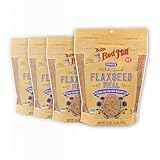
- SIMPLE GOODNESS YOU CAN TASTE: With its mild, nutty flavor, Bob’s Red Mill…
- POWER-PACKED SUPERFOOD: Bob’s Red Mill Flaxseed Meal is packed with omega…
- MILLED TO PERFECTION: Our flax meal is cold milled to preserve the freshness and…
Ground flax is the pantry pick. It adds soluble and insoluble fiber to oatmeal, yogurt, smoothies, or baking, but it is not a rescue product for severe constipation.
- Active ingredients: Ground whole flaxseed.
- Best for: Food-first fiber and people who prefer a grocery staple.
- Timing: Add to oatmeal, yogurt, a smoothie, or baking.
- Potential side effects: Gas, bloating, seed allergy, or freshness problems after opening.
How It Helps
Ground flax rounds out the fiber list for readers who would rather add fiber to breakfast than swallow another capsule.
Who It Fits
This pantry pick fits readers who want an ingredient, not a pill.
How to Choose Fiber
The safest way to compare constipation fiber products is to change one variable, begin below the full serving when the label permits, and track the result for several days.
- Choose the format you will use: Capsules travel well, clear powders disappear into food, and thick powders demand faster mixing.
- Check fermentability: Inulin and acacia may create more gas than methylcellulose. PHGG often appeals to readers who want a lower-thickening middle ground.
- Review medicines: Fiber can alter absorption. Ask a pharmacist how far to separate a product from prescriptions and other supplements.
- Stop at red flags: Severe or worsening pain, vomiting, blood, dehydration, a swollen abdomen, or inability to pass stool or gas needs medical attention.
Timing the Fiber Picks
Fiber products are easier to compare when each one has one format, one practical window, and one reason to choose it.
| Goal | Best-Fit Pick | Better Window | Why |
|---|---|---|---|
| Start with a familiar bulk fiber | NOW psyllium | With a full glass of water | Capsules are convenient, but adequate liquid and medicine spacing still matter. |
| Limit fermentation | Citrucel methylcellulose | With water at a repeatable time | Nonfermentable fiber may suit readers who get too much gas from prebiotic powders. |
| Avoid thick texture | Healthy Origins PHGG | Mixed into a meal-time drink | PHGG dissolves with less thickening and is easy to increase gradually. |
| Hide fiber in food | Benefiber wheat dextrin | With breakfast or lunch | The clear powder mixes into soft foods and drinks without much texture. |
| Build slowly | Micro Ingredients acacia | With a meal | A small serving makes fermentability and tolerance easier to judge. |
| Use a viscous capsule fiber | NOW glucomannan | Exactly as the label directs | It requires a full glass of water and is unsuitable with swallowing difficulty. |
| Try prebiotic fiber | NOW inulin | With food | Food-time use makes gas, cramps, and serving tolerance easier to track. |
| Use several plant fibers | Garden of Life blend | With a meal or smoothie | The mixed formula provides both soluble and insoluble fiber but adds more variables. |
| Add food-first fiber | Bob’s Red Mill flax | In oatmeal, yogurt, or a smoothie | It works as a pantry ingredient rather than a stand-alone pill routine. |
FAQs
These answers cover the questions that come up before buying a fiber product or changing an established routine.
Can Fiber Make Chronic Constipation Worse?
Fiber supplements can worsen constipation symptoms quickly when the serving rises too fast, fluid intake is inadequate, or stool is blocked. Gas, cramps, bloating, or harder stool are reasons to reduce the serving and reassess. Severe pain, vomiting, blood, swelling, or inability to pass stool or gas needs medical evaluation, not more fiber.
Which Type of Fiber Is Gentlest?
Gentleness depends on your digestion, dose, and fluid intake. Gentler constipation options include nonfermentable methylcellulose, low-thickening PHGG, psyllium, acacia, wheat dextrin, and several other forms. People troubled by gas often compare methylcellulose or PHGG first. Start one product below the full serving when allowed, increase gradually, and track symptoms before switching products again.
Which Fiber Supplements Work Best for Constipation?
Psyllium is the strongest all-around starting comparison because it adds bulk and helps stool hold water. Methylcellulose, PHGG, wheat dextrin, acacia, glucomannan, inulin, blended fiber, and ground flax suit different formats or tolerances. The right pick depends on hydration, swallowing comfort, bloating, medications, medical history, and whether symptoms are persistent, painful, sudden, or changing noticeably.
How Much Water Do I Need With Fiber?
Water needs vary by product, health history, and diet. Bulk-forming fiber products must be taken with the liquid directed on the label, and some products may require a full glass every time. Never dry-swallow powder. If a clinician limits your fluids or you have swallowing difficulty, ask before starting psyllium, glucomannan, or similar fiber.
When Should Constipation Need Medical Care?
Constipation needs medical attention when it is severe, persistent, suddenly different, or paired with vomiting, fever, blood, dehydration, abdominal swelling, or inability to pass stool or gas at all. Fiber supplements cannot treat a possible obstruction or explain a medication change. Contact a clinician when pain worsens, self-care fails, or symptoms keep returning.
Final Verdict

For a broader constipation supplement comparison beyond fiber, see my guide to best supplements for constipation.
Resources
These medical and regulatory sources support the safety frame used for this fiber guide: