
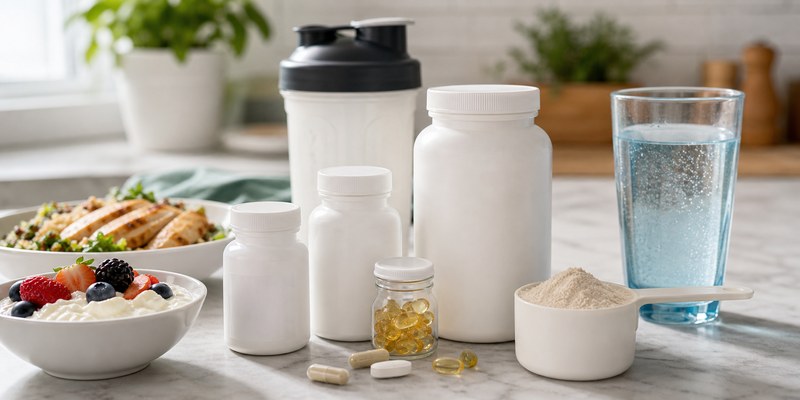
The best supplements for GLP-1 cover a real nutrition gap; they do not make the medication work better.
Table of Contents
Start With the Missing Piece

A smaller appetite can make grocery shopping easier and nutrition trickier. The best supplements for GLP-1 are the ones that answer a specific problem: too little protein, too little fluid, low fiber, or a deficiency confirmed by diet history, symptoms, or testing. If there is no gap, there is no reason to add a bottle.
The U.S. Food and Drug Administration is clear that supplements should not replace the variety of foods in a healthy diet. That matters when slow digestion, nausea, or early fullness already makes every bite count.
Bring persistent vomiting, dehydration, severe constipation, abdominal pain, or a major drop in food intake to the clinician managing your medication. Pregnancy, kidney disease, blood thinners, diabetes medicines, and planned surgery also change what is safe.
Key Takeaways
- Name the gap: The best supplements for GLP-1 answer a specific protein, fluid, fiber, or diagnosed deficiency need.
- Keep food first: A shake or capsule is backup when a balanced meal is hard to finish.
- Check the whole plan: Medication, symptoms, labs, kidney function, and duplicate ingredients matter.
Save This Post for Later
Save the best supplements for GLP-1 guide before you compare labels or discuss a product with your care team.
Hover over this pin to save this post for later.

11 Best Supplements for GLP-1
The ranking starts with protein and hydration because reduced food intake can make those needs harder to meet. Fiber and micronutrients follow, then narrower products that make sense only for a defined symptom, diet gap, or training goal.
#1 – Whey Protein
Among the best supplements for GLP-1, whey earns the first spot because adequate protein can become difficult when meals shrink.
Product Pick
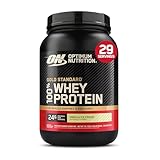
- GOLD STANDARD WHEY PROTEIN – 24 g of premium whey protein per scoop from whey…
- ANYTIME FORMULA – A great choice post run or lift, between meals, with a meal…
- POST WORKOUT RECOVERY – Loaded with 5.5 g of naturally occurring BCAAs…

- Active ingredients: Whey protein isolate, whey protein concentrate, and whey peptides.
- Best for: Filling a protein gap when solid protein is hard to finish.
- Timing: With a meal or between meals when it helps reach the daily protein target.
- Potential side effects: Bloating, gas, nausea, or symptoms related to milk, soy, or lactose.
How It Helps
Protein supports muscle mass, recovery, and basic nutrition. A shake can be easier to finish than another plate of meat or eggs, but it still counts toward calorie and protein intake. It does not accelerate GLP-1 weight loss.
Who It Fits
It fits someone whose food log repeatedly falls short on protein. Choose food first when possible, and ask about targets if kidney disease or another condition limits protein.
#2 – Oral Electrolyte Mix
The best supplements for GLP-1 can include an electrolyte mix when vomiting, diarrhea, heat, or heavy sweating creates actual fluid loss.
Product Pick
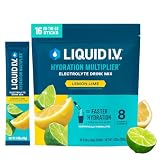
- HYDRATION MIX: A great-tasting, non-GMO electrolyte drink mix that delivers…
- GREAT TASTE: Lemon Lime flavor is zesty and bright, with a punch of citrus tang…
- SCIENCE-BACKED FORMULA: Powered by LIV HYDRASCIENCE, Liquid I.V. is designed…
- Active ingredients: Sodium, potassium, and glucose-based carbohydrate.
- Best for: Short-term oral hydration when a clinician says drinking is appropriate.
- Timing: During active rehydration, following the label and the clinician’s fluid guidance.
- Potential side effects: Excess sodium or sugar, stomach upset, or poor fit with kidney, heart, or fluid restrictions.
How It Helps
This is not an everyday requirement and it is not the same as plain water. It can help replace fluid and electrolytes after meaningful losses. Persistent vomiting, faintness, very dark urine, or an inability to keep fluids down needs medical attention.
Who It Fits
It fits a defined hydration problem, not routine thirst. Review sodium, sugar, kidney, heart, and blood-pressure limits before using it.
#3 – Multivitamin
A multivitamin ranks among the best supplements for GLP-1 only when limited food variety leaves several modest gaps rather than one diagnosed deficiency.
Product Pick

- Essential Nutrients: A daily supplement formulated with key vitamins and…
- Whole-Body Benefits: Contributes to a healthy diet by providing foundational…
- Optimal Absorption: Provides bioavailable vitamins A, B1, B2, B3, B5, B6, B…
- Active ingredients: A broad blend of vitamins and minerals.
- Best for: A narrow eating pattern that consistently misses several nutrient-rich food groups.
- Timing: With food for easier tolerance and according to the label directions.
- Potential side effects: Nausea, duplicate dosing, medicine interactions, or excess intake of certain nutrients.
How It Helps
A multivitamin can cover part of a shortfall while the meal plan is being repaired. It cannot provide protein, fiber, healthy fats, or the full food matrix. Compare every dose with other supplements rather than stacking labels blindly.
Who It Fits
It fits someone with a genuinely restricted diet after a clinician or dietitian reviews the pattern. Pregnancy and vitamin K-sensitive medication plans need product-specific guidance.
#4 – Psyllium Fiber
Psyllium belongs among the best supplements for GLP-1 when low food intake also means low fiber and constipation prevention is the goal.
Product Pick

- INTESTINAL HEALTH/HELPS MAINTAIN REGULARITY: Psyllium has the ability to swell…
- NATURAL SOLUBLE FIBER: Surveys have shown that the fiber content of the American…
- CERTIFICATIONS/CLASSIFICATIONS: Non-GMO Project Verified, Kosher…

- Active ingredients: Psyllium husk fiber.
- Best for: Gradually closing a fiber gap when fluids and movement are adequate.
- Timing: With a full glass of water and separated from medicines as directed.
- Potential side effects: Gas, bloating, cramping, choking risk, or medication absorption problems.
How It Helps
Psyllium absorbs water and adds bulk. Start low, increase slowly, and drink enough fluid because more fiber without water can make constipation worse. Separate it from medicines according to the label or pharmacist’s advice.
Who It Fits
It fits a gradual bowel routine, not severe abdominal pain or suspected obstruction. Trouble swallowing, vomiting, or an inability to pass stool or gas needs prompt medical care.
#5 – Strain-Specific Probiotic
A probiotic can sit among the best supplements for GLP-1 as a limited experiment, but results depend on the strain and the problem being tested.
Product Pick

- Active ingredients: Lactobacillus rhamnosus GG.
- Best for: A time-limited trial with one trackable digestive goal.
- Timing: At one consistent daily time, following the current product label.
- Potential side effects: Gas, bloating, discomfort, or infection risk in seriously ill or immunocompromised people.
How It Helps
Probiotics are not interchangeable. This product provides one widely studied strain, but that does not guarantee relief from medication-related symptoms. Track the result and stop if it clearly makes digestion worse.
Who It Fits
It fits a careful trial after food, fluid, and medication issues have been reviewed. Persistent symptoms deserve clinical evaluation instead of a rotation of probiotic bottles.
#6 – Vitamin D3
Vitamin D3 makes the best supplements for GLP-1 list for a documented low level or established risk, not simply because someone uses the medication.
Product Pick

- Immune Health and Bone Support Supplement: One 100 count bottle of Nature Made…
- Multiple Benefits: These Vitamin D wellness vitamins for adult men and women…
- Vitamin D3 Tablets: These Vitamin D 2000 IU tablets help improve Calcium…
- Active ingredients: Vitamin D3 as cholecalciferol.
- Best for: A lab-confirmed deficiency or clinician-recognized risk of low vitamin D.
- Timing: With a meal containing some fat, following the recommended dose.
- Potential side effects: Excess calcium, nausea, weakness, kidney problems, or medicine interactions at inappropriate doses.
How It Helps
Vitamin D supports bone health and normal muscle function. The right dose depends on age, diet, sun exposure, labs, and medical history. More is not automatically better.
Who It Fits
It fits a verified need and a monitored plan. High calcium, kidney disease, granulomatous disease, thiazide use, and duplicate vitamin D need review first.
#7 – Vitamin B12
Vitamin B12 belongs among the best supplements for GLP-1 when low animal-food intake or an absorption risk creates a credible reason to use it.
Product Pick

- Energy metabolism support supplement(1): contains one 160 count bottle of Nature…
- Nature Made B12 1000 mcg dietary supplements provide B12 to help break down food…
- B-12 vitamin helps support brain cell function and mood health (2)
- Active ingredients: Vitamin B12 as cyanocobalamin.
- Best for: Vegan diets, low B12 intake, or a clinician-confirmed absorption risk.
- Timing: With a routine meal unless the clinician or label directs otherwise.
- Potential side effects: Usually mild, but an unnecessary dose can distract from the real cause of fatigue or nerve symptoms.
How It Helps
B12 supports normal blood and nerve cells. It is useful when the intake or absorption problem is real, but it is not an energy booster for everyone. Unexplained fatigue, anemia, tingling, or balance changes deserve testing.
Who It Fits
It fits a recognized risk or measured deficiency. A clinician can determine whether oral B12 is enough when absorption is impaired.
#8 – Magnesium Glycinate
Magnesium glycinate appears among the best supplements for GLP-1 for a demonstrated intake gap, not as a universal answer to cramps, sleep, or constipation.
Product Pick
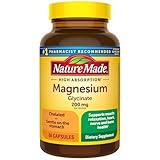
- One 60 count bottle of Nature Made Magnesium Glycinate 200 mg per serving…
- High absorption Magnesium supplement(1) helps convert food into cellular energy…
- Gentle on the stomach, Magnesium Glycinate helps relax the body, and is a highly…
- Active ingredients: Magnesium bisglycinate.
- Best for: Low magnesium intake or a clinician-supported need.
- Timing: With food and separated from interacting medicines when required.
- Potential side effects: Diarrhea, nausea, cramping, medication conflicts, or accumulation with kidney disease.
How It Helps
Magnesium supports muscle, nerve, blood-sugar, and blood-pressure functions. Nuts, seeds, legumes, whole grains, and leafy greens remain the first-line sources. The supplement should fill a measured gap rather than replace those foods.
Who It Fits
It fits a clear nutrition need with kidney function and medicines reviewed. Antibiotics, bisphosphonates, diuretics, and duplicate magnesium can change timing or safety.
#9 – Ginger
Ginger is one of the narrower best supplements for GLP-1 because occasional nausea needs a cautious plan and persistent nausea needs the prescriber.
Product Pick

- PROMOTES GI COMFORT*: Ginger root has been used since antiquity to support…
- CARDIOVASCULAR HEALTH*: Studies have demonstrated that ginger may help to…
- DIGESTIVE SUPPORT*: Ginger possesses a number of constituents that may support…
- Active ingredients: Ginger root.
- Best for: A clinician-approved trial for occasional mild nausea.
- Timing: With food if tolerated and only within the current label directions.
- Potential side effects: Heartburn, stomach irritation, bleeding concerns, or gallbladder-related problems.
How It Helps
Ginger may be easier to discuss than a multi-ingredient nausea blend because the label is simpler. It should not be used to push through repeated vomiting or severe pain. Those symptoms can signal dehydration or another problem that needs evaluation.
Who It Fits
It fits occasional symptoms after the medication plan has been reviewed. Blood thinners, gallstones, reflux, surgery, and pregnancy warrant product-specific guidance.
#10 – Creatine Monohydrate
Creatine joins the best supplements for GLP-1 only when resistance training and muscle preservation are active goals.
Product Pick

- 5G MICRONIZED CREATINE MONOHYDRATE PER SERVING: Each scoop delivers 5g of pure…
- SUPPORTS MUSCLE STRENGTH & MUSCLE BUILDING: Creatine helps support muscle…
- PERFORMANCE SUPPORT DURING TRAINING:Formulated to support performance in…
- Active ingredients: Creatine monohydrate.
- Best for: Repeated high-intensity exercise and a structured resistance-training plan.
- Timing: At any consistent daily time, with adequate fluid and food intake.
- Potential side effects: Water-weight gain, stomach upset, cramping, or poor fit with kidney or fluid restrictions.
How It Helps
Creatine supports short, repeated bursts of high-intensity work and can complement strength training. It does not replace enough protein, enough calories, or the training itself. The scale may rise from water retained in muscle.
Who It Fits
It fits someone who lifts consistently and can meet fluid needs. Kidney disease, fluid restrictions, pregnancy, or no training use case moves it down the list.
#11 – Omega-3 Fish Oil
Fish oil rounds out the best supplements for GLP-1 for people who rarely eat fatty fish or have a clinician-directed omega-3 reason.
Product Pick

- WHY OMEGA-3S – Research shows that the essential fatty acids EPA & DHA in fish…
- #1 SELLING OMEGA-3 BRAND IN THE U.S* – Nordic Naturals Ultimate Omega features…
- BETTER ABSORPTION, BETTER TASTE, NO FISHY BURPS – All of our omega-3 fish oil…
- Active ingredients: EPA and DHA omega-3 fatty acids from fish oil.
- Best for: Low fatty-fish intake or a clinician-directed omega-3 plan.
- Timing: With a meal to improve tolerance and keep its calories with food.
- Potential side effects: Fishy aftertaste, nausea, loose stools, allergy concerns, or bleeding interactions.
How It Helps
Fish oil can fill a specific dietary gap, but it is not a substitute for a balanced eating pattern. The product contains fat and calories, so take it with food. Prescription omega-3 therapy is a different category from an over-the-counter supplement.
Who It Fits
It fits someone who seldom eats salmon, sardines, trout, or other fatty fish. Fish allergy, anticoagulants, bleeding disorders, and upcoming surgery need review first.
Products to Treat Carefully
The best supplements for GLP-1 are not stimulant fat burners, laxative teas, detox blends, or products that promise to amplify the medication.
- Stimulant weight-loss blends: They can worsen nausea, anxiety, sleep, heart rate, or blood pressure without repairing nutrition.
- High-dose vitamins and minerals: A bigger number can create toxicity or medicine interactions rather than better results.
- Herbal glucose-lowering products: Berberine and similar products can overlap with diabetes treatment and interact with medicines.
- Routine iron without testing: Fatigue alone does not diagnose iron deficiency, and unnecessary iron can cause constipation and harmful overload.
- Repeated laxative use: Persistent constipation needs a medication, fluid, food, and symptom review instead of an escalating supplement routine.
Contact the prescribing clinician for repeated vomiting, dehydration, fainting, severe or persistent abdominal pain, inability to pass stool or gas, or symptoms of low blood sugar. Do not use supplements to cover a problem that may require a dose or treatment review.
Match the Product to the Goal
Use this best supplements for GLP-1 table as a conversation starter, not a shopping list.
| Goal | Best-Fit Pick | Better Window | Why |
|---|---|---|---|
| Fill a protein gap | Whey protein | With or between meals | A shake can be easier to finish than another solid protein serving. |
| Replace meaningful fluid losses | Electrolyte mix | During rehydration | Sodium, potassium, glucose, and water may help after vomiting, diarrhea, heat, or heavy sweat. |
| Cover several modest gaps | Multivitamin | With food | It can back up a narrow diet without pretending to replace meals. |
| Increase fiber gradually | Psyllium | With plenty of water | Soluble fiber needs fluid and separation from some medicines. |
| Run a defined digestive trial | Culturelle LGG | At a consistent time | One strain and one goal are easier to evaluate than a rotating probiotic stack. |
| Correct low vitamin D | Vitamin D3 | With a meal containing fat | Use a lab- or risk-informed dose rather than guessing. |
| Address a B12 risk | Vitamin B12 | With a routine meal | Low intake and impaired absorption are clearer reasons than ordinary fatigue. |
| Fill a magnesium gap | Magnesium glycinate | With food | Food improves tolerance and the product belongs in a screened nutrition plan. |
| Discuss occasional nausea | Ginger | With food if tolerated | Persistent symptoms need the prescriber rather than a stronger supplement. |
| Support resistance training | Creatine | Any consistent daily time | Training consistency, protein, and total intake matter more than supplement timing. |
| Fill an omega-3 gap | Fish oil | With a meal | Food improves tolerance and the oil contains calories. |
FAQs
These best supplements for GLP-1 answers cover the questions that should be settled before another bottle goes in the cart.
Do I Need Supplements While Taking a GLP-1 Medication?
Most people do not automatically need the best supplements for GLP-1. Start with food, fluids, symptoms, medicines, and recent lab results. A supplement makes sense only when it fills a clear protein, fiber, hydration, or micronutrient gap. Ask the clinician managing your prescription before adding products that affect digestion, blood sugar, bleeding, or kidney function.
What Is the Best Protein Supplement for GLP-1 Users?
Whey protein is convenient, complete, and easy to mix, but the best supplements for GLP-1 depend on tolerance and dietary needs. Choose lactose-free whey isolate, soy, pea, or another option when appropriate. Use powder to close a measured protein gap, not replace every meal, and ask about protein targets if kidney disease changes your needs.
What Are the Best Supplements for GLP-1 Side Effects?
There is no supplement that safely treats every medication effect. Fluids, an oral electrolyte product, psyllium, or clinician-approved ginger may fit particular situations, but symptoms must guide the choice. Persistent vomiting, dehydration, severe constipation, low blood sugar, or abdominal pain needs medical review rather than another capsule. Never change a prescribed dose on your own.
Can Vitamins Prevent Muscle Loss on GLP-1 Medication?
Vitamins do not preserve muscle by themselves. The best supplements for GLP-1 muscle support are secondary to protein, enough total food, and resistance training. Whey can close a protein gap, while creatine may complement consistent lifting for some adults. Rapid weakness, frailty, or difficulty meeting nutrition needs deserves a clinician or registered dietitian review promptly.
When Should I Take Supplements With a GLP-1?
Take products with food unless the label or clinician says otherwise. The best supplements for GLP-1 should fit around medication directions, not compete with them. Separate psyllium from medicines, take fish oil and vitamin D with meals, and use protein whenever it helps meet the day’s target. Confirm timing with a pharmacist when prescriptions interact.
Final Verdict

The best supplements for GLP-1 solve one visible problem without pretending to improve the prescription itself.
- For smaller meals: Protect protein and food quality before adding a multivitamin or specialized product.
- For digestive trouble: Match fiber, fluid, or ginger to the symptom and stop guessing when symptoms persist.
- For the safest plan: Review medicines, labs, kidney function, diet history, and duplicate ingredients before buying.
Build the food side first with our guide to foods to eat on Zepbound and Mounjaro.
Resources
These sources support the best supplements for GLP-1 nutrition and safety guidance:
- FDA 101: Dietary Supplements
- FDA: Mixing Medications and Dietary Supplements
- NIH ODS: Multivitamin and Mineral Supplements
- NIH ODS: Vitamin B12
- NIH ODS: Vitamin D
- NIH ODS: Exercise and Athletic Performance Supplements
- NIDDK: Eating, Diet, and Nutrition for Constipation
- NCCIH: Probiotics – Usefulness and Safety
- NIH ODS: Magnesium
- NIH ODS: Omega-3 Fatty Acids
