
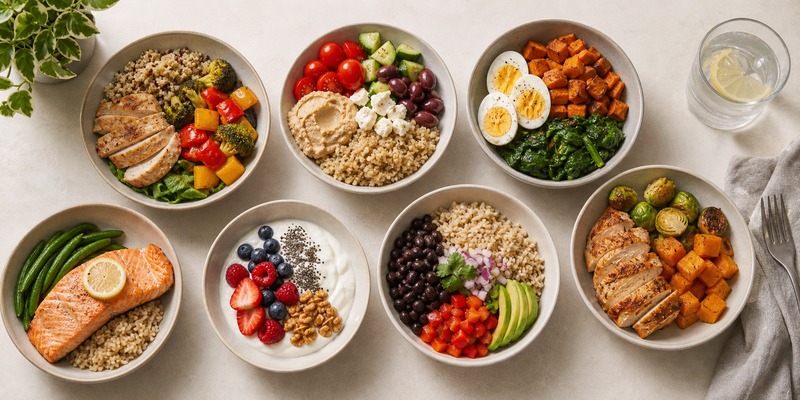
Use this 7-day GLP-1 meal plan for easy, protein-packed breakfasts, lunches, dinners, grocery planning, and symptom-aware swaps.
Table of Contents
A Practical GLP-1 Meal Plan

A 7-day GLP-1 meal plan should make a smaller appetite easier to nourish, not turn every bite into a math problem. This week starts with protein-rich foods, adds produce and satisfying carbohydrates, and keeps portions flexible. You can repeat favorites, shift meal times, and use the gentler backup whenever appetite changes.
A joint nutrition advisory from four professional organizations recommends monitoring food and fluid intake during GLP-1 therapy and prioritizing nutrient-dense foods. The plan below uses that practical frame without assigning a universal calorie or protein target.
If you are pregnant, managing diabetes, taking medication, or have a history of disordered eating, use your clinician’s guidance instead of a sample menu. Persistent vomiting, severe pain, dehydration, or trouble eating enough needs prompt medical attention.
Key Takeaways
- Lead with protein: Let the weekly plan start each meal with a tolerated protein-rich food.
- Keep portions flexible: Stop at comfortable fullness and save the rest.
- Protect hydration: Sip between meals and respond early to persistent symptoms.
Use the 7-day GLP-1 meal plan steps below to organize protein, portions, hydration, fiber, and easy backup meals.
Build Your GLP-1 Week in 5 Steps
- Choose seven protein anchors: A 7-day GLP-1 meal plan can use eggs, Greek yogurt, cottage cheese, fish, poultry, tofu, and beans so every day has a simple starting point. Browse the full list of high-protein foods for GLP-1 when you need substitutions.
- Match volume to appetite: Begin with a smaller serving, eat slowly, and keep extra food for later. A planned mini meal can work better than forcing a restaurant-sized plate when fullness arrives quickly.
- Add fiber gradually: Rotate cooked vegetables, berries, oats, beans, and whole grains according to tolerance. Increase fiber with fluid instead of jumping from very little to a large amount during dose changes.
- Schedule fluid reminders: Keep water visible and sip between meals. Vomiting or diarrhea can raise dehydration risk, while persistent constipation deserves a conversation with the prescriber rather than endless home remedies.
- Prepare two backup meals: Freeze soup, cooked chicken, rice, or a gentle smoothie portion. A low-effort option protects nutrition on busy days or when nausea makes the original dinner unappealing.
Your 7-Day GLP-1 Meal Plan for the Week
This 7-day GLP-1 meal plan creates three predictable opportunities to eat: breakfast, lunch, and dinner. The measures below are flexible starting examples, so serve less first, save extra safely, and adjust timing or amounts with your prescriber’s guidance. The menu links into our existing GLP-1 breakfast ideas, lunch ideas, and dinner ideas.
| Day | Breakfast | Lunch | Dinner |
|---|---|---|---|
| Day 1 | ¾ cup Greek yogurt + ¼ cup oats + ½ cup berries | ½ cup cottage cheese + ½ cup berries + 1 slice toast | 3–4 oz salmon + ½ sweet potato + ½ cup spinach |
| Day 2 | 1 egg + 1 slice toast + ½ cup fruit | ¼ cup hummus + cucumber + 1 small whole-grain pita | 3–4 oz chicken + ½ cup rice + 1 cup cooked vegetables |
| Day 3 | 1 small kefir-berry smoothie + 1 egg | 3 oz tuna + ¼ cup beans + greens | 3–4 oz turkey taco lettuce cups + ¼ cup beans |
| Day 4 | ½ cup cooked oats + apple + 1 tbsp peanut butter | 1 cup lentil soup + 1 slice toast | 4 oz tofu + ½ cup rice noodles + cooked vegetables |
| Day 5 | 1 small protein smoothie bowl | 1 egg + ¼ cup cottage cheese + 4 crackers + cucumber | 1 cup chicken soup + ½ small flatbread |
| Day 6 | ½ cup cottage cheese + ½ cup quinoa + cucumber | ¾ cup yogurt + 1 oz walnuts + ½ cup berries | 3–4 oz shrimp + ½ cup pasta + 1 cup zucchini |
| Day 7 | 1 egg + ¼ cup chickpeas + cooked vegetables | 1 banana-oat mini muffin + ¾ cup yogurt | 3–4 oz chicken + 1 cup vegetables + ½ cup potatoes |
Twenty-One Flexible Meal Ideas
These 7-day GLP-1 meal plan ideas are mix-and-match examples, not a prescription. Use the portion you can comfortably tolerate, save unfinished food safely, and ask a registered dietitian for individualized targets when weight loss, activity, kidney disease, diabetes, or another condition changes your needs.
| Sample Meal | Why It Fits | Practical Shortcut |
|---|---|---|
| #1. Day 1 breakfast: Greek yogurt oat bowl | Greek yogurt brings protein in a compact serving, while oats and berries add gentle fiber. | Start with ¾ cup yogurt, ¼ cup oats, and ½ cup berries. |
| #2. Day 1 lunch: cottage cheese, berries, and toast | Cottage cheese offers concentrated protein, while berries and toast make the small plate more complete. | Use ½ cup cottage cheese and choose lower-sodium options if advised. |
| #3. Day 1 dinner: salmon, sweet potato, and spinach | Salmon supplies protein and unsaturated fat beside a soft carbohydrate and cooked greens. | Bake a 3- to 4-ounce salmon portion and reserve extra for later. |
| #4. Day 2 breakfast: egg toast and fruit | Eggs pair protein with an easy whole-grain base and a small fruit serving. | Use our foods to eat on GLP-1 guide for alternate toppings. |
| #5. Day 2 lunch: hummus, cucumber, and pita | Hummus combines beans and tahini, while cucumber and whole-grain pita turn it into a light lunch. | Start with ¼ cup hummus and one small pita; save extra. |
| #6. Day 2 dinner: chicken rice vegetable bowl | Chicken anchors the bowl, with rice and cooked vegetables supplying energy and micronutrients. | Use 3 to 4 ounces of rotisserie chicken and frozen vegetables. |
| #7. Day 3 breakfast: kefir-berry smoothie and egg | A small kefir smoothie plus an egg combines drinkable nutrition with a compact solid protein. | Blend one small portion without a large juice pour. |
| #8. Day 3 lunch: tuna bean salad | Tuna provides lean protein, while a modest bean portion adds fiber and texture. | Use 3 ounces of canned tuna and ¼ cup rinsed beans. |
| #9. Day 3 dinner: turkey taco lettuce cups | Lean turkey, beans, and cooked peppers make a flexible dinner with manageable volume. | Use our GLP-1 snack guide for a smaller leftover serving. |
| #10. Day 4 breakfast: apple peanut butter oatmeal | Soft oats, cooked apple, and peanut butter combine carbohydrate, fiber, fat, and a little protein. | Start with ½ cup cooked oats and one tablespoon peanut butter. |
| #11. Day 4 lunch: lentil soup and toast | Soup adds fluid and soft texture, while lentils contribute plant protein and fiber. | Freeze one-cup portions so the whole pot does not become a deadline. |
| #12. Day 4 dinner: tofu rice noodle bowl | Tofu is a soft protein, and rice noodles can be a simple carbohydrate during sensitive-stomach days. | Keep sauce light and put spicy toppings on the side. |
| #13. Day 5 breakfast: protein smoothie bowl | A spoon-thick bowl can combine yogurt, fruit, and seeds without becoming a huge drink. | Use the GLP-1 protein smoothie bowl as the base. |
| #14. Day 5 lunch: egg, cottage cheese, crackers, and cucumber | Egg and cottage cheese supply protein, while crackers and cucumber round out a compact lunch. | Start with one egg, ¼ cup cottage cheese, and four crackers. |
| #15. Day 5 dinner: chicken soup and flatbread | Chicken soup can be gentle and hydrating, while a small flatbread rounds out the meal. | Choose lower-sodium broth and skim excess fat when nausea is active. |
| #16. Day 6 breakfast: cottage cheese quinoa bowl | Cottage cheese, quinoa, cucumber, and herbs create a cool protein-forward breakfast bowl. | Use ½ cup each of cottage cheese and cooked quinoa. |
| #17. Day 6 lunch: yogurt, walnuts, and berries | Yogurt, walnuts, and berries add protein, fat, fiber, and fruit without cooking. | Start with ¾ cup yogurt, one ounce walnuts, and ½ cup berries. |
| #18. Day 6 dinner: shrimp pasta with zucchini | Shrimp provides protein, while a modest pasta serving and cooked zucchini make a complete plate. | Cook extra zucchini and freeze one dinner portion. |
| #19. Day 7 breakfast: egg and chickpea bowl | Egg and chickpeas combine animal and plant protein with vegetables and olive oil. | Start with one egg and ¼ cup chickpeas if fiber tolerance is uncertain. |
| #20. Day 7 lunch: banana-oat mini muffin and yogurt | A mini muffin and plain yogurt pair a portable carbohydrate with a practical protein source. | Pair one mini muffin with ¾ cup yogurt rather than eating several muffins. |
| #21. Day 7 dinner: sheet-pan chicken and vegetables | One pan combines lean protein, cooked vegetables, and potatoes with easy portion control. | Cool and refrigerate tomorrow’s portion before serving dinner. |
GLP-1 Grocery List for the Week
Shop for 7-day GLP-1 meal plan foods you already tolerate. The most useful cart is not the longest one; it is the one that gives you protein, produce, flexible carbohydrates, and two low-effort backups without creating waste.
🌱
Weekly Grocery Shortcut
Build one cart with eggs, yogurt, fish, poultry, beans, grains, produce, soup ingredients, and easy freezer backups.
- Protein: Eggs, Greek yogurt, cottage cheese, salmon, chicken, tuna, turkey, tofu, lentils, chickpeas, and peanut butter.
- Produce: Berries, bananas, apples, spinach, cucumbers, peppers, zucchini, carrots, sweet potatoes, broccoli, and lemons.
- Quality carbohydrates: Oats, brown rice, quinoa, whole-grain bread, rice noodles, pasta, potatoes, and whole-grain crackers.
- Flexible extras: Olive oil, walnuts, hummus, low-sodium broth, ginger tea, herbs, and mild seasonings.
- Freezer backups: Frozen vegetables, individual soup portions, cooked grains, and one preportioned smoothie base.
Adjust Meals Around Common Side Effects
The 7-day GLP-1 meal plan can support comfort, but it cannot replace medical care. A multidisciplinary consensus on GLP-1 gastrointestinal side effects emphasizes smaller portions, hydration, and symptom-specific adjustments. Tell the prescriber about persistent symptoms instead of changing the dose yourself.
| What You Notice | Meal Adjustment | When to Get Help |
|---|---|---|
| Nausea or early fullness | Try a smaller, lower-fat meal; eat slowly; keep fried and spicy foods out of the immediate plan. | Contact the clinician when symptoms persist, worsen, or prevent adequate food and fluid intake. |
| Constipation | Add fiber gradually with fluid and movement; do not pile multiple fiber products onto an already uncomfortable stomach. | Ask about persistent constipation, severe pain, vomiting, or inability to pass stool or gas. |
| Vomiting or diarrhea | Prioritize tolerated fluids and gentle foods, then return to balanced meals as directed. | Seek prompt guidance for dehydration signs, blood, severe pain, fainting, or ongoing fluid loss. |
| Reflux or bloating | Use smaller meals, limit personal triggers, and avoid lying down immediately after eating. | Report trouble swallowing, chest pain, black stools, or symptoms that do not settle. |
Our foods to avoid on GLP-1 guide covers common triggers, but individual tolerance wins. A food that bothers one person may work for another, and symptom patterns can change after a dose adjustment.
Four Meal-Plan Mistakes to Avoid
1. Saving protein for last
A 7-day GLP-1 meal plan can fail when early fullness leaves the most useful part of the meal untouched.
Swap: Start with a tolerated protein food, then add the rest.
2. Forcing a large plate
Finishing an old portion size can turn comfortable fullness into nausea.
Swap: Serve less first and store seconds safely.
3. Adding fiber too fast
A sudden fiber jump can worsen bloating when digestion already feels different.
Swap: Increase gradually and pair the change with fluid.
4. Treating symptoms as normal forever
Persistent pain, vomiting, dehydration, or inadequate intake needs medical attention.
Swap: Track the pattern and contact the prescriber promptly.
Save This Weekly Plan
Pin the 7-day GLP-1 meal plan before your next grocery run, then swap any idea that does not fit your appetite, schedule, preferences, allergies, or clinical guidance.
📌 Hover over this pin to save this post for later.

FAQs
These 7-day GLP-1 meal plan FAQs cover the most common questions about timing, portions, symptoms, protein, and repetition.
1. How many meals should I eat while using a GLP-1?
Meal frequency depends on appetite, symptoms, medication instructions, activity, and medical needs. Some people prefer three smaller meals, while others use two meals and a planned snack. A 7-day GLP-1 meal plan offers enough nourishing food without forcing uncomfortable portions. Your prescriber or dietitian can personalize timing when diabetes medicines or low intake raise concerns.
2. What if I cannot finish the portions shown?
Use this 7-day GLP-1 meal plan and stop at comfortable fullness. Refrigerate leftovers promptly instead of pushing through nausea. Protein-rich foods can come first when appetite is limited, followed by produce and carbohydrates as tolerated. Ongoing difficulty eating enough, repeated vomiting, or dehydration deserves prompt review with the clinician managing your prescription and nutrition needs.
3. Is this 7-day GLP-1 meal plan safe for everyone?
No sample menu fits everyone. Allergies, kidney disease, diabetes treatment, pregnancy, digestive conditions, eating-disorder history, and medication directions can change safe choices and timing. Use the menu as an idea bank, not a prescription. A registered dietitian and the clinician who prescribes your medicine can adjust portions, nutrients, fluids, and symptom strategies for your situation.
4. Should every meal include protein?
The 7-day GLP-1 meal plan includes a tolerated protein source at each meal, making smaller portions useful when appetite is reduced. Eggs, yogurt, fish, poultry, tofu, beans, and cottage cheese offer different textures. Your amount is individual. Kidney disease, frailty, athletic training, and other circumstances deserve professional targets rather than a universal internet number alone.
5. How can I eat when nausea is worse?
A 7-day GLP-1 meal plan may use mild, lower-fat meals. Eat slowly, keep fried or spicy foods aside, and sip fluids between meals if that feels better. Do not change your medicine dose on your own. Persistent nausea, repeated vomiting, severe pain, dizziness, or trouble keeping fluids down needs prompt advice from your healthcare team.
6. Do I need protein shakes or supplements?
Not automatically. Food can cover many needs, and a shake may help only when appetite, convenience, chewing, or a documented gap makes it useful. Products also vary in sugar, fiber, sodium, stimulants, and serving size. The 7-day GLP-1 meal plan uses food-based options whenever possible; ask a clinician before adding supplements or replacing meals regularly.
7. Can I repeat meals instead of cooking twenty-one recipes?
Yes. 7-day GLP-1 meal plan repetition reduces cost, waste, and fatigue. Cook two proteins, one grain, several vegetables, and a soup, then rearrange them across the week. Freeze portions before they become leftovers you must finish. Keep at least one gentle backup available, and use your symptoms and clinical guidance to decide what gets repeated.
GLP-1 Nutrition Resources
Use these sources to understand the nutrition and safety guidance behind the 7-day GLP-1 meal plan.
- Joint advisory: Nutritional priorities to support GLP-1 therapy
- Multidisciplinary consensus: Managing GLP-1 gastrointestinal adverse events
- MedlinePlus: Semaglutide injection safety information
- Current study: Dietary adequacy during GLP-1 or dual-incretin treatment
GLP-1 Protein Video
This registered-dietitian-led overview adds a practical protein strategy to the 7-day GLP-1 meal plan.
Video credit: GLP-1 Hub.
Make the Week Easier to Repeat

Make the 7-day GLP-1 meal plan repeatable: choose seven protein anchors, buy produce in two speeds, and prepare one soup or freezer meal. Those moves create a useful week without pretending every appetite, dose, symptom pattern, or nutrition target is identical.
Start with the first three days, repeat what feels comfortable, and replace what does not. The foods to eat on GLP-1 guide can help you swap proteins, produce, and gentle carbohydrates without rebuilding the whole week. If symptoms interfere with food or fluid intake, pause the menu experiment and contact the healthcare professional managing your medication.
