

You are not supposed to take all 23; start with one clear need, then compare the label.
Table of Contents
Best Supplements for Intermittent Fasting: 23 Picks Ranked

Walk into a supplement aisle after you start fasting and every bottle can start to look necessary. I have made that mistake. The best supplements for intermittent fasting are tools for a specific gap, not a stack. Look for a real reason, such as heavy sweating, a restricted diet, low fiber, or a diagnosed deficiency, before another bottle goes in the cart.
These 23 picks cover hydration, restricted intake, training, fiber, and diagnosed deficiencies. The NIH Office of Dietary Supplements notes that a pill cannot replace a varied diet, and most of these products belong with food.
If you take diabetes or blood-pressure medication, are pregnant, have kidney disease, or have a history of eating disorders, talk to a clinician before you add anything.
Key Takeaways
- Start with the gap: Heavy sweating, low fiber, restricted intake, and diagnosed deficiencies call for different products.
- Match the timing: Protein, oil, fiber, and most vitamins belong in the eating window.
- Screen the label: Check doses, duplicate ingredients, medicines, kidney risks, and pregnancy cautions before buying.
Save This Post for Later
Save this guide before you compare labels or build a routine.
Hover over this pin to save this post for later.

The 23 Picks, Ranked
This flat ranking starts with broad, common gaps and moves toward specialized products with narrower use cases. It is a menu, not a 23-bottle stack.
#1 – Sugar-Free Electrolytes
Product Pick

- ZERO SUGAR AND DELICIOUS: Perfect for training, low-carb or keto diets, fasting…
- STAY SALTY: Salt’s been misunderstood. If you prioritize whole foods and stay…
- OPTIMAL HYDRATION: Science-backed electrolyte ratio to replenish what you lose…
LMNT Raw Unflavored leads the ranking when heavy sweating or a longer fast creates a real electrolyte use case.
- Active ingredients: Sodium chloride, potassium chloride, and magnesium malate.
- Best for: Heavy sweaters, hot-weather activity, low-carb overlap, and longer fasts planned with clinical guidance.
- Timing: During the fasting window only if noncaloric minerals fit your rules; otherwise use it with meals.
- Potential side effects: Excess sodium, thirst, nausea, swelling, or poor fit with kidney, heart, or blood-pressure restrictions.
How It Helps
The unsweetened formula avoids the calories in a sports drink. Its high sodium is useful for meaningful sweat or fluid losses, not an ordinary desk-bound 16:8 day.
Who It Fits
It fits heavy sweaters and people training before breakfast. Kidney, heart, blood-pressure, fluid, sodium, or potassium restrictions can make it the wrong choice.
#2 – Magnesium Glycinate
Product Pick
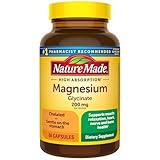
- One 60 count bottle of Nature Made Magnesium Glycinate 200 mg per serving…
- High absorption Magnesium supplement(1) helps convert food into cellular energy…
- Gentle on the stomach, Magnesium Glycinate helps relax the body, and is a highly…

Magnesium glycinate can make sense when diet history or clinical guidance points to low magnesium intake.
- Active ingredients: Magnesium bisglycinate.
- Best for: A demonstrated intake gap, low-magnesium food pattern, or clinician-supported supplementation.
- Timing: In the eating window with food, following the product directions.
- Potential side effects: Diarrhea, nausea, abdominal cramping, and medication-timing conflicts.
How It Helps
Magnesium supports normal muscle and nerve function, but food is the first place to look. The adult upper limit from supplements and medications is 350 milligrams unless a clinician directs otherwise.
Who It Fits
It fits a demonstrated intake gap, not a generic fasting routine. Take it with food, and review kidney disease, medicines, and duplicate magnesium first.
The rest of the ranking belongs mostly with food because these products contain calories, absorb better with a meal, or are easier on the stomach there.
#3 – Multivitamin
Product Pick

- Essential Nutrients: A daily supplement formulated with key vitamins and…
- Whole-Body Benefits: Contributes to a healthy diet by providing foundational…
- Optimal Absorption: Provides bioavailable vitamins A, B1, B2, B3, B5, B6, B…
A basic multivitamin can fill a gap when a short eating window repeatedly squeezes out whole food groups.
- Active ingredients: Broad vitamin and mineral blend.
- Best for: Repetitive diets, chronically small meals, travel, and documented difficulty meeting micronutrient needs.
- Timing: With a meal in the eating window.
- Potential side effects: Nausea, constipation, duplicate nutrient dosing, and medication interactions.
How It Helps
A multivitamin can cover part of a genuine intake gap, but it cannot replace a varied diet. Compare the label with fortified foods and every other supplement to avoid duplicate doses.
Who It Fits
It fits a genuinely narrow diet. Choose for age, sex, pregnancy status, and known needs; iron, vitamin K, and high-dose vitamin A deserve extra review.
#4 – Vitamin B12
Product Pick

- Energy metabolism support supplement(1): contains one 160 count bottle of Nature…
- Nature Made B12 1000 mcg dietary supplements provide B12 to help break down food…
- B-12 vitamin helps support brain cell function and mood health (2)
Vitamin B12 belongs in the ranking only when low intake or absorption risk makes B12 the actual gap.
- Active ingredients: Cyanocobalamin vitamin B12.
- Best for: Vegans, some vegetarians, some older adults, and people whose medicines or medical history raise deficiency risk.
- Timing: With water and a meal in the eating window, following the label.
- Potential side effects: Stomach upset, headache, itching, or no benefit when B12 status is already adequate.
How It Helps
Vitamin B12 supports red blood cells and the nervous system, but extra B12 is not a stimulant. Plant-based diets, absorption problems, older age, metformin, and acid-suppressing medicines can raise deficiency risk.
Who It Fits
It fits a clear B12 risk factor, not skipped breakfast. Fatigue, anemia, tingling, balance trouble, or memory changes need evaluation rather than guesswork.
#5 – Vitamin D3
Product Pick

- Immune Health and Bone Support Supplement: One 100 count bottle of Nature Made…
- Multiple Benefits: These Vitamin D wellness vitamins for adult men and women…
- Vitamin D3 Tablets: These Vitamin D 2000 IU tablets help improve Calcium…

Vitamin D3 can make sense when limited sun exposure, diet, or lab work points to low vitamin D.
- Active ingredients: Vitamin D3, or cholecalciferol.
- Best for: Low sun exposure, low vitamin D intake, or a clinician-confirmed low level.
- Timing: With a meal containing some fat in the eating window.
- Potential side effects: Excess calcium, nausea, weakness, kidney stones, and medication interactions when overused.
How It Helps
Vitamin D supports calcium absorption, bones, and muscles. Take this fat-soluble vitamin with a meal; lab results and individual risk matter more than the fasting clock.
Who It Fits
It fits a known risk or low level. High calcium, kidney disease, granulomatous conditions, thiazides, and duplicate vitamin D require a clinician check.
#6 – Omega-3 Fish Oil
Product Pick

- Heart health support supplement: contains one 200 count bottle of Nature Made…
- This Burp-less (3) Omega 3 Fish Oil 1200 mg supplement is purified to remove…
- One serving of two Fish Oil softgels provides 720 mg Omega-3 fatty acids (600 mg…
Fish oil belongs in the ranking when fatty fish is missing from the eating window or a clinician recommends omega-3 support.
- Active ingredients: Fish oil with EPA and DHA omega-3 fatty acids.
- Best for: People who rarely eat salmon, sardines, trout, or other fatty fish.
- Timing: With a meal in the eating window; the oil contains calories and ends a strict fast.
- Potential side effects: Fishy taste, heartburn, nausea, loose stools, and bleeding-risk concerns at higher doses.
How It Helps
Fish oil can fill an EPA and DHA gap when seafood rarely makes the menu. It is not a weight-loss product, and prescription treatment for very high triglycerides is a separate medical lane.
Who It Fits
It fits low seafood intake. Take it with food, and review fish allergy, anticoagulants, bleeding disorders, and surgery timing first.
#7 – Whey Protein
Product Pick
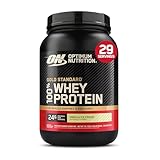
- GOLD STANDARD WHEY PROTEIN – 24 g of premium whey protein per scoop from whey…
- ANYTIME FORMULA – A great choice post run or lift, between meals, with a meal…
- POST WORKOUT RECOVERY – Loaded with 5.5 g of naturally occurring BCAAs…
Whey protein earns a high rank when compressed meals make adequate protein harder to reach.
- Active ingredients: Whey protein isolate, concentrate, and peptides.
- Best for: Small eating windows, resistance training, quick meals, and people who struggle to fit protein foods into the day.
- Timing: Inside the eating window; protein clearly ends a calorie-free fast.
- Potential side effects: Bloating, nausea, lactose sensitivity, and milk or soy allergy concerns.
How It Helps
Protein powder is concentrated food, not a fasting hack. It can close a protein gap when meals are small or inconvenient, especially alongside resistance training.
Who It Fits
It fits people who train or struggle to reach protein needs with meals. Milk or soy allergy, kidney disease, and prescribed protein limits change the choice.
#8 – Creatine Monohydrate
Product Pick

- 5G MICRONIZED CREATINE MONOHYDRATE PER SERVING: Each scoop delivers 5g of pure…
- SUPPORTS MUSCLE STRENGTH & MUSCLE BUILDING: Creatine helps support muscle…
- PERFORMANCE SUPPORT DURING TRAINING:Formulated to support performance in…
Creatine monohydrate can fit when strength training, not faster fat loss, is the goal.
- Active ingredients: Creatine monohydrate.
- Best for: Resistance training, repeated high-intensity exercise, and maintaining a consistent performance routine.
- Timing: In the eating window for routine and stomach tolerance.
- Potential side effects: Water-weight gain, stomach upset, cramping, and poor fit with kidney disease or fluid restrictions.
How It Helps
Creatine can support lifting and repeated high-intensity efforts. It is not a fat burner; daily consistency matters more than fasted timing.
Who It Fits
It fits someone who actually trains. Kidney disease, fluid restrictions, pregnancy, or clinician concerns warrant a check first.
#9 – Psyllium Husk Fiber
Product Pick

- INTESTINAL HEALTH/HELPS MAINTAIN REGULARITY: Psyllium has the ability to swell…
- NATURAL SOLUBLE FIBER: Surveys have shown that the fiber content of the American…
- CERTIFICATIONS/CLASSIFICATIONS: Non-GMO Project Verified, Kosher…
Psyllium rounds out the broadest-use picks when a compressed eating window leaves fiber intake low or constipation shows up.
- Active ingredients: Psyllium soluble fiber.
- Best for: Low-fiber meals, hard stool, constipation prevention, and people who need a repeatable fiber routine.
- Timing: In the eating window with a full glass of water; separate from medicines as directed.
- Potential side effects: Gas, bloating, cramping, choking risk, and worse constipation without enough fluid.
How It Helps
Psyllium adds gel-forming fiber that can improve stool consistency. Start gradually, take it with plenty of water, and separate it from medicines as directed.
Who It Fits
It fits a real fiber gap. Trouble swallowing, bowel narrowing, severe pain, vomiting, or possible obstruction calls for medical care instead.
#10 – Strain-Specific Probiotic
Product Pick

Culturelle Digestive Daily Probiotic is a targeted option when a specific probiotic strain, rather than a generic gut-health promise, matches the goal.
- Active ingredients: Lactobacillus rhamnosus GG, listed by Culturelle as 10 billion CFUs per capsule.
- Best for: Readers who want a strain-specific daily probiotic after discussing recurring digestive symptoms with a clinician.
- Timing: In the eating window for a consistent routine and easier tolerance.
- Potential side effects: Temporary gas or bloating; greater safety concerns for people who are seriously ill or immunocompromised.
How It Helps
Probiotic effects depend on the strain and the problem being treated. Culturelle identifies LGG, but it cannot replace fiber, hydration, or complete meals.
Who It Fits
It fits a defined digestive trial with symptom tracking. Persistent pain, bleeding, fever, weight loss, severe diarrhea, or immunocompromise needs medical advice.
#11 – Collagen Peptides
Product Pick

- SUPPORTS COLLAGEN PRODUCTION: With 100% daily value of Vitamin C, this Vital…
- SUPPLE SKIN HYDRATION: Contains 120mg Hyaluronic Acid to support skin hydration…
- HIGHLY BIOAVAILABLE: Derived from grass-fed, pasture-raised bovine, our…
Vital Proteins Collagen Peptides Advanced can add collagen protein inside the eating window, but it is not a complete replacement for meat, eggs, dairy, soy, or other complete proteins.
- Active ingredients: Bovine collagen peptides, vitamin C, and hyaluronic acid.
- Best for: Readers who already meet overall protein needs and want a convenient collagen product for a narrower skin, joint, or connective-tissue goal.
- Timing: Eating window only; collagen supplies amino acids and calories.
- Potential side effects: Fullness, stomach upset, unpleasant taste, and allergy concerns; it does not fit vegetarian or vegan diets.
How It Helps
Collagen adds protein to coffee, yogurt, or a shake, but it is not a complete-protein replacement. Count the added vitamin C against other products.
Who It Fits
It fits a specific collagen goal. For low total protein, whey, soy, dairy, eggs, fish, meat, or a balanced plant blend is more complete.
#12 – Zinc Picolinate
Product Pick

- Premium Quality Zinc; Solgar Zinc Picolinate 22 mg Tablets provide a…
- Antioxidant Immune Support; Zinc exerts antioxidant activity and can support a…
- Promote Healthy Skin; Zinc Picolinate also promotes healthy skin and supports…
Solgar Zinc Picolinate is a narrow gap-filler for low zinc intake or clinician-directed use, not routine protection against the effects of skipping breakfast.
- Active ingredients: Zinc picolinate providing 22 milligrams of zinc per tablet.
- Best for: A confirmed or strongly suspected intake gap, especially when zinc-rich foods are consistently missing.
- Timing: In the eating window with a meal to reduce nausea.
- Potential side effects: Nausea, vomiting, stomach cramps, and copper deficiency with excessive long-term intake; it also conflicts with some antibiotics and penicillamine.
How It Helps
Zinc supports immune function and wound healing. This 22-milligram tablet exceeds half the adult 40-milligram daily upper limit, so total every source first.
Who It Fits
It fits a clinician-identified need or repeatedly low-zinc diet. Long-term use can affect copper, and antibiotics or duplicate zinc complicate dosing.
#13 – Low-Dose Potassium
Product Pick

- ESSENTIAL MINERAL*/SUPPORTS ELECTROLYTE BALANCE AND NORMAL pH*: Take 1 NOW…
- PROPER MUSCULAR CONTRACTION*: It is also necessary for proper muscle…
- CERTIFICATIONS/CLASSIFICATIONS: Kosher, Soy Free, Vegan/Vegetarian, Nut Free…
NOW Potassium Citrate is a modest supplement, not a replacement for potassium-rich foods or clinician-managed electrolyte treatment.
- Active ingredients: Potassium citrate providing 99 milligrams of elemental potassium per capsule.
- Best for: A small, clinician-reviewed intake gap when food-first options are not enough.
- Timing: In the eating window with a meal and water.
- Potential side effects: Nausea, stomach irritation, and dangerously high potassium in susceptible users or with potassium-raising medicines.
How It Helps
The supplement-facts panel lists only 99 milligrams of elemental potassium; food usually contributes much more. This capsule cannot balance a high-sodium routine.
Who It Fits
It is one of the most clinician-dependent picks. Kidney or heart disease and potassium-altering medicines can make casual use dangerous.
#14 – MCT Oil
Product Pick

- C8 ENERGY SUPPORT*: Sports Research C8 MCT Oil delivers 100% Caprylic Acid…
- SINGLE-SOURCE KETOGENIC POWER*: Unlike blended MCT oils, our formula contains…
- 100% ORGANIC COCONUT DERIVED: Sourced exclusively from USDA Organic coconuts…
Sports Research Organic C8 MCT Oil can add convenient fat and calories to an eating-window meal, but taking it means the calorie-free fast is over.
- Active ingredients: Coconut-derived caprylic acid, or C8 medium-chain triglyceride oil.
- Best for: Readers who intentionally want an easy calorie and fat add-in during the eating window.
- Timing: Eating window only; oil contains calories and ends a strict fast.
- Potential side effects: Diarrhea, cramping, nausea, reflux, and accidental excess calorie intake.
How It Helps
MCT oil adds easy calories to coffee, smoothies, or food. It is not a fat-loss product; start small because larger servings often cause digestive trouble.
Who It Fits
It fits a deliberate eating-window calorie need, not a strict fast. Watch whether it replaces food or simply raises daily intake.
#15 – 100 mg Caffeine
Product Pick
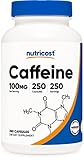
- Energize Your Day: Nutricost Caffeine Capsules deliver a boost of energy to help…
- No Sugar or Unhealthy Additives: Enjoy the benefits of caffeine without the…
- Convenient and Effective Capsule Formulation: Each bottle contains 250 capsules…
Nutricost Caffeine offers a measured 100-milligram dose, but plain coffee or tea is often the simpler choice and total daily caffeine matters more than the delivery form.
- Active ingredients: Caffeine, 100 milligrams per capsule.
- Best for: Caffeine-tolerant adults who want a measured dose and have already counted coffee, tea, energy drinks, pre-workout, and medicines.
- Timing: Fast or eating window if a plain capsule fits the fasting rules; keep it early enough to protect sleep.
- Potential side effects: Jitters, anxiety, insomnia, reflux, headache, rapid heartbeat, and increased blood pressure.
How It Helps
Caffeine can improve alertness and exercise performance, but it cannot fix dehydration, inadequate food, or poor sleep. Count all sources; individual limits vary.
Who It Fits
It fits adults who already tolerate caffeine. Anxiety, insomnia, arrhythmia, uncontrolled blood pressure, pregnancy, stimulants, and stacked caffeine call for caution.
#16 – Decaffeinated Green Tea Extract
Product Pick

- Rich in healthy nutrients – Green tea is packed with polyphenols including…
- Abundance of health benefits – Green tea extract supports many of the body’s…
- Benefits without caffeine – Want the health-promoting benefits of several cups…
Life Extension Decaffeinated Mega Green Tea Extract is a concentrated botanical, not bottled proof that fasting will burn more fat.
- Active ingredients: Decaffeinated green tea extract standardized for polyphenols and catechins.
- Best for: Adults with a defined reason to use concentrated green tea after reviewing medicines and liver risk.
- Timing: In the eating window; follow the current label and clinician guidance rather than taking concentrated extract casually on an empty stomach.
- Potential side effects: Nausea, abdominal discomfort, constipation, higher blood pressure, medicine interactions, and uncommon liver injury.
How It Helps
Green tea extract is more concentrated than brewed tea, and weight-loss effects are modest at best. NCCIH reports uncommon liver injury with extracts.
Who It Fits
It fits a narrow, reviewed use case. Liver disease, interacting medicines, jaundice, dark urine, unusual fatigue, or abdominal pain are reasons to avoid or stop it.
#17 – Apple Cider Vinegar Capsules
Product Pick

- BRAGG ACV CAPSULES: Dietary supplement made with 1877mg of our proprietary ACV…
- IMMUNE SYSTEM SUPPORT: Vitamin D and Zinc are nutrients that support the immune…
- DAILY DOSE OF WELLNESS: To easily incorporate ACV into your diet, adults take…
Bragg Apple Cider Vinegar Capsules avoid the acidic taste of liquid vinegar, but they do not turn intermittent fasting into automatic weight loss.
- Active ingredients: Apple cider vinegar providing acetic acid, plus vitamin D3 and zinc.
- Best for: Readers who specifically prefer a capsule and have checked the added vitamin D and zinc against the rest of the routine.
- Timing: In the eating window with food and water.
- Potential side effects: Nausea, stomach irritation, reflux, low potassium concerns, and interactions with diabetes medicines.
How It Helps
Vinegar research does not establish these capsules as a fasting or weight-loss aid. The added vitamin D and zinc make duplicate dosing the main practical concern.
Who It Fits
It fits someone who already wants vinegar but dislikes the liquid. Diabetes medicine, low potassium, reflux, nausea, or duplicate nutrients make it a poor casual add-on.
#18 – Berberine
Product Pick

- SUPPORTS GLUCOSE METABOLISM*: Berberine is a natural constituent of herbs such…
- HELPS TO SUPPORT: Already normal glucose and lipid metabolism*
- WITH MCT OIL: Because berberine is known for its limited bioavailability, this…
NOW Berberine Glucose Support belongs near the bottom because its drug-interaction and pregnancy cautions are much more important than its online reputation as a metabolic shortcut.
- Active ingredients: Berberine hydrochloride, 400 milligrams per softgel, plus capric acid and MCT oil.
- Best for: Clinician-reviewed metabolic use, not general fasting or self-directed weight loss.
- Timing: In the eating window with food, following the product directions.
- Potential side effects: Nausea, diarrhea, constipation, abdominal pain, low blood sugar, and significant medication interactions.
How It Helps
Berberine has been studied for blood glucose and lipids, but evidence does not support broad claims. The oil-containing softgel belongs with food, and drug interactions are substantial.
Who It Fits
It is clinician-first. Avoid it during pregnancy or breastfeeding, and involve a pharmacist for diabetes treatment, transplant medicines, or other narrow-safety-margin drugs.
#19 – Chromium Picolinate
Product Pick

- INSULIN CO-FACTOR*/200 mcg VEGAN CAPSULES: Chromium is an essential trace…
- SUPPORTS HEALTHY GLUCOSE METABOLISM*: Chromium is therefore critical for the…
- CERTIFICATIONS/CLASSIFICATIONS: Made without Gluten, Dairy Free, Egg Free…
NOW Chromium Picolinate is a low-ranked, evidence-limited option rather than a default answer to hunger, cravings, or slow weight loss.
- Active ingredients: Chromium picolinate providing 200 micrograms of chromium per capsule.
- Best for: A clinician-supported reason after food intake, medicines, and realistic expectations have been reviewed.
- Timing: In the eating window with a meal.
- Potential side effects: Headache, insomnia, mood changes, low blood sugar with diabetes medicines, and rare kidney or liver concerns.
How It Helps
Chromium participates in nutrient metabolism, but deficiency has not been reported in healthy people and research does not support meaningful weight-loss expectations.
Who It Fits
It may fit a narrow clinician-directed plan. Diabetes or hypoglycemia medicine, kidney or liver disease, and duplicate chromium require professional review.
#20 – L-Carnitine Tartrate
Product Pick
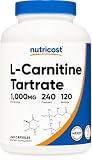
- 240 Capsules, Each With 500mg of L-Carnitine Tartrate
- 1000mg Per Serving & 120 Servings Per Bottle
- No Harmful Additives
Nutricost L-Carnitine Tartrate is a specialized training product, not a fat-burning requirement for intermittent fasting.
- Active ingredients: L-carnitine tartrate, 1,000 milligrams per two-capsule serving.
- Best for: A defined training or clinician-directed use case after diet and recovery basics are already covered.
- Timing: In the eating window for routine and stomach tolerance.
- Potential side effects: Nausea, vomiting, cramps, diarrhea, and a fishy body odor; it may interact with warfarin and thyroid treatment.
How It Helps
Carnitine helps transport fatty acids, but that does not mean extra capsules cause meaningful fat loss. Healthy adults generally make enough, and study results are mixed.
Who It Fits
It fits a specific clinician-identified or training use, not general fasted exercise. Warfarin, thyroid treatment, seizure disorders, pregnancy, or digestive effects call for review.
#21 – Ashwagandha
Product Pick
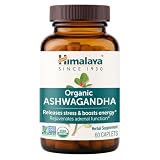
- PREMIUM ASHWAGANDHA SOURCE: Himalaya Organic Ashwagandha is a clinically studied…
- STRESS RELIEF & MENTAL CLARITY: Our Ashwagandha is clinically studied to reduce…
- BACKED BY CLINICAL STUDIES: Himalaya Organic Ashwagandha has been evaluated in…
Himalaya Organic Ashwagandha closes the list because stress or sleep may affect adherence, but the herb does not solve a fasting nutrition gap.
- Active ingredients: Organic ashwagandha root powder and extracts totaling 670 milligrams per caplet.
- Best for: Short-term, clinician-reviewed use for a specific stress or sleep goal.
- Timing: In the eating window; drowsiness and stomach tolerance may influence the time of day.
- Potential side effects: Drowsiness, stomach upset, diarrhea, vomiting, thyroid changes, medication interactions, and uncommon liver injury.
How It Helps
Some ashwagandha preparations may help stress or insomnia, but long-term safety is not established. It is an indirect, specialized option, not a fasting supplement.
Who It Fits
It requires a clinician check for pregnancy, thyroid or autoimmune disease, liver disease, surgery, sedatives, immunosuppressants, and blood-pressure or diabetes medicines.
#22 – Calcium Citrate
Product Pick

- Healthy Bones & Teeth; 99% of the body’s calcium can be found in the bones and…
- Overall Health; Calcium is an essential mineral needed every day for proper…
- Calcium Absorption; This formulation contains 600 IU Vitamin D3 to promote…
Solgar Calcium Citrate with Vitamin D3 is a narrow food-gap option for an eating window that consistently falls short on calcium.
- Active ingredients: A four-tablet serving provides 1,000 milligrams of calcium as calcium citrate plus 15 micrograms, or 600 IU, of vitamin D3.
- Best for: A verified calcium shortfall in a dairy-free, vegan, or calcium-poor eating pattern.
- Timing: In the eating window with food; if a full serving is appropriate, split it between two meals.
- Potential side effects: Gas, bloating, constipation, high blood calcium, kidney-stone concerns, and interactions with several medicines.
How It Helps
Calcium supports bones, muscles, and nerves, but fasting does not create an automatic need. Check food first, split appropriate doses, and count calcium and vitamin D from other products.
Who It Fits
It fits a verified food-intake shortfall. High calcium, kidney disease or stones, lithium, thyroid or HIV medicines, antibiotics, and duplicate doses require professional guidance.
#23 – Iron
Product Pick

- Iron Support Supplement: One 180 count bottle of Nature Made Iron 65 mg (325 mg…
- Mineral Iron Benefits: Nature Made Iron supplement 65 mg (Ferrous Sulfate…
- Iron Deficiency Supplement: This adult Iron supplement provides a dietary…
Nature Made Iron ranks last because iron belongs here only when testing or a clinician identifies a real need.
- Active ingredients: Iron, 65 milligrams per tablet, as 325 milligrams of ferrous sulfate.
- Best for: Lab-confirmed iron deficiency or another clinician-identified need, not ordinary fasting fatigue.
- Timing: In the eating window for most readers; keep it separate from calcium and follow clinician instructions.
- Potential side effects: Nausea, constipation, abdominal pain, vomiting, diarrhea, drug interactions, and dangerous toxicity from excess intake.
How It Helps
Iron makes hemoglobin, but fasting fatigue is not proof of deficiency. A blood test and clinical plan should decide whether this high-dose product belongs in the routine.
Who It Fits
It is for a documented need, not prevention by guesswork. Keep it away from children, and review iron overload, pregnancy, thyroid or Parkinson’s medicines, calcium, and acid suppressors.
How to Choose Safely
Some products marketed to fasting readers create more risk, confusion, or fasting-window overlap than useful support.
- Fat burners and stimulant stacks: Caffeine-heavy blends can worsen jitters, sleep, reflux, heart rate, and blood-pressure concerns without fixing food quality.
- Exogenous ketones and “fasting accelerator” blends: A product can raise ketone readings without proving better fat loss or better long-term health.
- BCAAs, collagen, protein, creamers, and gummy vitamins during the fast: These contain amino acids, fat, sugar, or calories and belong in the eating window if the goal is a calorie-free fast.
- Iron without a documented need: Iron is important when deficiency exists, but unnecessary iron can cause constipation, nausea, and harmful overload.
- High-dose potassium pills: Kidney disease and several blood-pressure medicines can make potassium supplements dangerous.
- Dry fasting: Avoiding fluids is a different and riskier practice. A supplement powder does not make dehydration safe.
Stop and get medical guidance if fasting brings fainting, confusion, persistent vomiting, chest pain, severe weakness, repeated low blood sugar, or an inability to keep fluids down. People who are pregnant or breastfeeding, underweight, frail, managing an eating disorder, or using glucose-lowering medicines need individual advice before fasting.
Timing the Supplements
These 23 picks become much easier to use when every product has a clear job and window.
| Goal | Best-Fit Pick | Better Window | Why |
|---|---|---|---|
| Replace sweat losses | LMNT Raw Unflavored | Fast or eating window | Noncaloric minerals can fit a strict fast, but high sodium is for a specific use case. |
| Correct low mineral intake | Magnesium glycinate | Eating window | The product directs use with food, and magnesium is most useful for a real intake gap. |
| Cover a narrow diet | Multivitamin | Eating window | Food improves tolerance and keeps the product in its proper backup role. |
| Address a B12 risk | Vitamin B12 | Eating window | Use for low intake or absorption risk, not routine fasting fatigue. |
| Address low vitamin D | Vitamin D3 | Eating window | A meal containing some fat supports a practical routine. |
| Fill an omega-3 gap | Fish oil | Eating window | The oil contains calories and is usually better tolerated with food. |
| Reach protein needs | Whey protein | Eating window | Protein ends the fast and works as concentrated food. |
| Support lifting | Creatine monohydrate | Eating window | Consistency and training matter more than fasted timing. |
| Close a fiber gap | Psyllium husk | Eating window | Fiber needs water and separation from some medicines. |
| Try a defined probiotic strain | Culturelle LGG | Eating window | Probiotic effects are strain-specific, and taking it with a routine meal simplifies tracking. |
| Add collagen protein | Vital Proteins collagen | Eating window | Collagen contains protein and calories and is not a complete-protein replacement. |
| Address low zinc intake | Solgar zinc picolinate | Eating window | Food reduces nausea, and the 22-milligram dose needs duplicate-dose awareness. |
| Fill a small potassium gap | NOW potassium citrate | Eating window | The capsule supplies 99 milligrams elemental potassium and requires medicine and kidney screening. |
| Add convenient dietary fat | Sports Research C8 MCT oil | Eating window | Oil contains calories, ends a strict fast, and can cause digestive distress. |
| Use a measured stimulant dose | Nutricost caffeine | Fast or eating window | Count every caffeine source and take it early enough to protect sleep. |
| Use concentrated green tea | Life Extension green tea extract | Eating window | Concentrated extract requires liver and medication caution and is not a fat-loss shortcut. |
| Use an ACV capsule | Bragg ACV capsules | Eating window | The formula also contains vitamin D and zinc, so duplicate dosing matters. |
| Consider clinician-guided berberine | NOW berberine | Eating window | Food matches the label, and glucose-lowering and drug-interaction risks require review. |
| Consider clinician-guided chromium | NOW chromium picolinate | Eating window | Evidence for weight loss is weak, and diabetes medicines can change the risk. |
| Support a narrow training goal | Nutricost L-carnitine | Eating window | Healthy adults usually synthesize enough, and weight-loss findings are mixed. |
| Address a stress or sleep goal | Himalaya ashwagandha | Eating window | It is not a fasting aid and has substantial pregnancy, thyroid, liver, and drug cautions. |
| Correct a verified calcium shortfall | Solgar calcium citrate | Eating window | Split an appropriate serving across meals and check duplicate calcium and vitamin D first. |
| Treat documented iron deficiency | Nature Made iron | Eating window | Testing and clinician guidance matter because excess iron is harmful and interacts with medicines. |
FAQs
These answers clarify the timing and safety questions without turning a simple schedule into a complicated routine.
What Can I Take During a Fasting Window?
During a strict calorie-free window, supplements are usually unnecessary. Plain water works for many adults on an ordinary day. An unsweetened electrolyte may fit when heat, heavy sweating, low-carb eating, or a clinician-guided longer fast creates a specific need. Protein, fish oil, gummy vitamins, creamers, collagen, and amino acids belong in the eating window instead.
Do Electrolytes Break an Intermittent Fast?
An unsweetened, calorie-free electrolyte product generally fits a strict fasting window better than sports drinks, protein, or sweetened powders. Still, the right product depends on your goal, tolerance, medicines, and personal medical limits. Sodium-heavy products can be inappropriate with kidney disease, heart failure, high blood pressure, fluid restriction, diuretics, or medicines that change potassium balance.
Do I Need the Best Supplements for Intermittent Fasting?
Most adults using a 14:10 or 16:8 schedule do not need a pill or powder. Start with water and complete meals. Add a product only for a clear reason, such as heavy sweating, restricted food choices, low fiber intake, resistance training, laboratory-confirmed deficiency, or a recommendation from your clinician, pharmacist, or registered dietitian.
When Should I Take Vitamins While Fasting?
Take vitamins and minerals in the eating window unless the label or clinician directs otherwise. Food can improve tolerance and helps keep calorie-containing products out of the fast. A sensible routine includes vitamin D, fish oil, magnesium, multivitamins, protein, and fiber only when each one actually addresses a clearly defined dietary, medical, or training gap.
Can Supplements Make Intermittent Fasting Work Better?
Supplements do not make the fasting clock burn more fat or erase weak food choices for anyone in real life. They can solve problems, including sweat losses, inadequate protein, low fiber intake, or a documented nutrient deficiency. Sleep, food, strength training, hydration, and a schedule you can maintain still matter more than a supplement stack.
Final Verdict

The right supplement solves a specific problem without replacing food, water, training, sleep, or medical care.
- For the fasting window: Use plain water by default and consider an unsweetened electrolyte only when sweating, heat, low-carb eating, or a longer guided fast makes it useful.
- For the eating window: Put calorie-containing products and most vitamins, minerals, botanicals, protein, and fiber with meals unless a clinician or current label says otherwise.
- For the safest decision: Match supplements to diet history, medications, symptoms, labs, and training instead of building a 23-bottle stack.
For food-first planning and more recipe structure, start with our intermittent fasting cookbook guide.
Before changing the supplement cabinet, tighten the food side of the plan with this guide to foods to avoid while intermittent fasting.
For the first plate, use our guide to the best foods to break an intermittent fast.
To organize the eating window around real meals, learn how to do intermittent fasting for weight loss.
Resources
These are the main sources behind this guide:
- NIH Research Matters: Intermittent Fasting and Type 2 Diabetes
- NIH ODS: Dietary Supplements – What You Need to Know
- FDA: Mixing Medications and Dietary Supplements
- NIH ODS: Magnesium
- NIH ODS: Multivitamin/Mineral Supplements
- NIH ODS: Vitamin B12
- NIH ODS: Vitamin D
- NIH ODS: Omega-3 Fatty Acids
- NIH ODS: Exercise and Athletic Performance Supplements
- NIDDK: Eating, Diet, and Nutrition for Constipation
- NCCIH: Probiotics – Usefulness and Safety
- NIH ODS: Zinc
- NIH ODS: Potassium
- FDA: How Much Caffeine Is Too Much?
- NCCIH: Green Tea
- NCCIH: Berberine
- NIH ODS: Chromium
- NIH ODS: Carnitine
- NCCIH: Ashwagandha
- NIH ODS: Calcium
- NIH ODS: Iron
