In This Recipe
Big Salad Energy

Why You’ll Love This Recipe
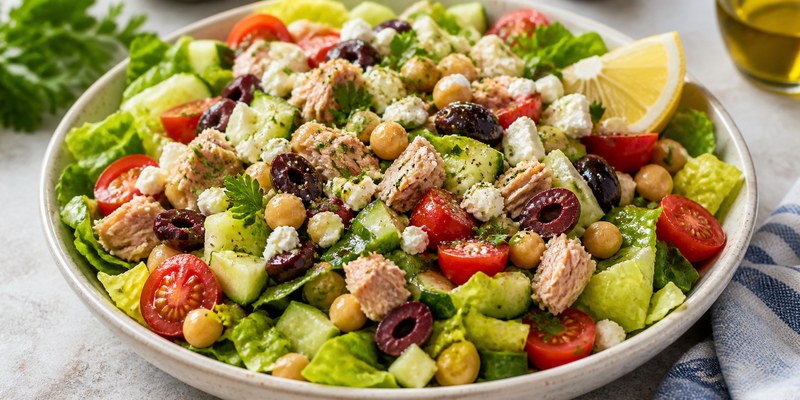
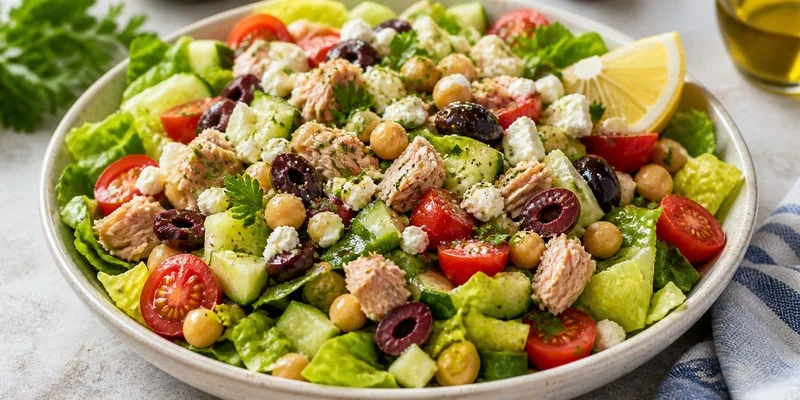
This mediterranean diet salad recipes gives you a useful meal without turning the recipe into a project.
- Clear portions. The ingredient list is measured so the recipe is easy to repeat.
- Flexible serving style. Keep the base, then adjust toppings or sides.
- Real texture cues. The method tells you what to look for before moving on.
- Meal-prep friendly. Most of the cooked parts hold well for tomorrow.
- Simple flavor. Acid, herbs, and seasoning do the work without a complicated sauce.
Mediterranean Diet Salad Recipes: Power Salad Recipe Ingredients
For this mediterranean diet salad recipes, shop the main ingredients first and then check the pantry seasonings.

Choose any items above to build your list.
How to Make It
The easiest mediterranean diet salad recipes method is to prep the base first, then finish with fresh texture.
- Whisk Whisk olive oil, lemon juice, Dijon, oregano, and pepper in a large bowl.
- Add Add chickpeas, cucumber, tomatoes, parsley, and olives.
- Fold Fold in tuna gently so it stays in flakes.

- Add Add greens and toss until lightly coated.
- Top Top with feta and another squeeze of lemon.
- Serve Serve right away or pack dressing separately for meal prep.

Tips for Getting It Right
The best mediterranean diet salad recipes depends on texture, timing, and seasoning more than extra ingredients.
- Keep heat moderate so the main ingredient cooks evenly.
- Taste at the end after acid, herbs, sauce, or toppings are added.
- Add crunchy or fresh pieces only when you are ready to serve.
- If meal prepping, store sauce or dressing separately.
Common Mistakes to Avoid
A mediterranean diet salad recipes can miss when the base turns watery, dry, or overloaded.
- Do not rush moisture off the heat before the texture is right.
- Do not add all the sauce at once if the mixture looks loose.
- Do not skip the fresh finish, because it keeps the plate from tasting flat.
- Do not treat nutrition estimates as medical instructions.
Variations
Use this mediterranean diet salad recipes as the base, then change one lane at a time.
- Higher protein: Add extra lean protein or a spoonful of Greek yogurt sauce.
- Lower carb: Serve over greens, cauliflower rice, or extra vegetables.
- More filling: Add beans, potatoes, brown rice, or another whole-food starch.
- Milder: Reduce pepper, hot sauce, raw onion, or garlic.
Storage and Reheating
Store this mediterranean diet salad recipes in airtight containers and keep crisp toppings separate when possible.
Cooked components usually hold for 3 to 4 days in the refrigerator. Reheat gently until steaming, then add cold toppings, herbs, greens, or dressing after reheating.
Cookbook Pairing
For more planning, this mediterranean diet salad recipes pairs well with simple meal-prep cookbooks and practical weeknight recipes.
FAQs
Here are the questions readers ask most about mediterranean diet salad recipes.
1. Can I meal prep this?
Meal prep works best when the wet and crisp parts stay separate until serving. Use airtight containers, cool cooked ingredients before storing, and keep sauces or dressing in a small cup. For mediterranean diet salad recipes, assemble the final plate after reheating so texture stays fresher and the meal feels intentional for easier lunches.
2. What can I swap?
Start with the same cooking method, then change one ingredient at a time. Pick a similar protein, vegetable, grain, or sauce so the structure still works. For mediterranean diet salad recipes, small swaps are easier to judge than rebuilding the whole recipe and wondering why the texture changed without changing the whole plate.
3. Is mediterranean diet salad recipes good for weight loss?
Weight loss depends on portions, total intake, protein needs, activity, sleep, medication, and medical history. This recipe can fit a balanced plate because it uses practical ingredients and clear portions. Treat it as one meal idea, not a promise that a single dish changes body weight. Use portions that match your plan before serving today.
4. How should I store leftovers?
Store leftovers in shallow airtight containers once the food has cooled. Keep crisp toppings, herbs, buns, or dressing separate when possible. For mediterranean diet salad recipes, reheat only the cooked parts gently, then add the fresh pieces at the end so the final meal does not taste flat and skip repeated heating cycles.
5. Can I make it lower sodium?
Lower sodium starts with unsalted or reduced-sodium broth, rinsed canned ingredients, measured sauces, and more acid, herbs, spices, or citrus. For mediterranean diet salad recipes, taste near the end before adding salt. People with strict sodium targets should follow their personal clinician or dietitian plan and keep packaged extras measured carefully at the table.
Save This Recipe for Later

Recipe Card
- 2 cans tuna in olive oil or water, drained
- 1 1/2 cups canned chickpeas, rinsed
- 6 cups chopped romaine or spring greens
- 1 English cucumber, chopped
- 1 pint cherry tomatoes, halved
- 1/2 cup chopped parsley
- 1 lemon, juiced
- 1/2 cup crumbled feta
- 1/3 cup Kalamata olives
- 3 tablespoons extra-virgin olive oil
- 1 teaspoon Dijon mustard
- 1/2 teaspoon dried oregano
- 1/4 teaspoon black pepper
- Whisk olive oil, lemon juice, Dijon, oregano, and pepper in a large bowl.
- Add chickpeas, cucumber, tomatoes, parsley, and olives.
- Fold in tuna gently so it stays in flakes.
- Add greens and toss until lightly coated.
- Top with feta and another squeeze of lemon.
- Serve right away or pack dressing separately for meal prep.
More Recipes Like This
If this mediterranean diet salad recipes fits your meal-planning lane, these LiveDontDiet recipes can help next: Mediterranean diet tuna salad, Mediterranean cucumber salad, prediabetes Greek salad bowl recipe.