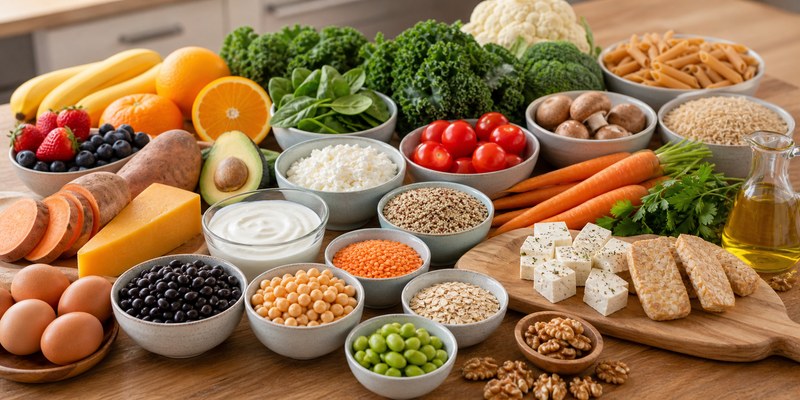
In this post, I share the best vegetarian foods to eat for weight loss, the filling ones that kept me full while the pounds came off.
Table of Contents
Giving Vegetarian a Shot

I have struggled with my weight my whole life. I have tried it all, low carb, keto, Mediterranean, and each one worked for a while before it wore me down. So I figured, why not give vegetarian a shot and see if eggs, beans, and greens could finally do it?
This list of vegetarian foods to eat for weight loss is what I pulled together once I stopped guessing at the store. The protein worry sorted itself out, since eggs and Greek yogurt carry plenty, and the real win was how these filling picks kept me full on fewer calories.
There is real research behind a meatless plate, including this report from the Academy of Nutrition and Dietetics, which says a well-planned one meets your needs. Check with a dietitian first if you are pregnant, managing diabetes or kidney issues, or watching your iron.
Key Takeaways
- Full on fewer calories: The vegetarian foods to eat here fill you up, so hunger doesn’t win.
- Protein keeps you satisfied: Eggs, dairy, beans, and tofu curb cravings far better than a plain green salad.
- Small swaps, real results: Trade a few meat meals a week and the calories quietly drop.
Video: Vegetarian Foods to Eat
GunjanShouts walks through a full day of high-protein vegetarian meals built for weight loss, a genuinely useful watch before you shop.
51 Vegetarian Foods to Eat With a Protein Tracker
The following table is my full vegetarian foods to eat list that you shop from each week, with a protein number next to every pick.
| Food | Why It Helps | Pro Tip |
|---|---|---|
| #1. Eggs | About 6 g of complete protein each, plus the b vitamins and choline that plant sources of protein miss entirely. | Batch-bake them into our cottage cheese egg bites for grab-and-go mornings. |
| #2. Greek yogurt | About 17 g of complete protein per cup, one of the best dairy foods for bone health thanks to its calcium. | Buy plain, whole-milk or 2%, and sweeten with fruit so you skip the added sugar. |
| #3. Cottage cheese | About 24 g of casein-rich protein per cup, one of the highest per-scoop counts in the dairy case. | Blend it smooth to fold into eggs, pancakes, or dips without the curd texture. |
| #4. Milk | About 8 g of complete protein per cup, one of the best good sources of calcium among milk products. | Whole or 2% keeps you fuller than skim; pour it over oats or into smoothies. |
| #5. Cheddar | About 7 g of protein per ounce, and among dairy products it packs dense, absorbable calcium in each slice. | Buy blocks and shred yourself, since pre-shredded is dusted with anti-caking starch. |
| #6. Feta | About 4 g of protein per ounce and enough salty punch to season a whole salad. | Crumble it over grains and collard greens so a little goes a long way. |
| #7. Parmesan | About 10 g of protein per ounce, the most concentrated of any everyday cheese. | Grate it fresh over beans or pasta; nutritional yeast works if you go dairy-free. |
| #8. Ricotta | About 14 g of protein per half-cup, creamy enough to build a meatless lasagna on. | Whip it with lemon zest for a high-protein toast spread. |
| #9. Lentils | About 18 g of vegetable protein per cooked cup, plus roughly 6 mg of iron your red blood cells depend on. | Simmer red lentils for 15 minutes into soup; no soaking required. |
| #10. Black beans | About 15 g of protein per cooked cup, matched by 15 g of fiber for staying power. | Rinse canned beans to cut the sodium by nearly half. |
| #11. Chickpeas | About 15 g of protein per cooked cup and among the most versatile plant foods for hummus, curries, and snacks. | Roast them dry at 425°F for a crunchy topping that beats croutons. |
| #12. Kidney beans | About 15 g of protein per cooked cup with resistant starch linked to a lower risk of heart disease. | They hold their shape in chili and grain bowls better than softer beans. |
| #13. Edamame | About 18 g of complete soy protein per cup, a rare plant carrying all nine essential amino acids. | Keep a freezer bag on hand; they steam in three minutes for a salty snack. |
| #14. Tofu | About 20 g of complete protein per half-block, absorbing whatever sauce you give it. | Press firm tofu for stir-fries, or blend silken tofu into a soy yogurt substitute. |
| #15. Tempeh | About 34 g of protein per cup, a top choice among meat alternatives and fermented for easier digestion. | Steam it ten minutes before marinating to mellow the bitter edge. |
| #16. Seitan | About 25 g of protein per 3 ounces, the chewiest of the plant-based alternatives to meat. | Slice thin and sear fast; wheat gluten toughens if you overcook it. |
| #17. Quinoa | About 8 g of complete protein per cooked cup, rare among whole grains for supplying every amino acid. | Rinse before cooking to wash off the bitter saponin coating. |
| #18. Oats | About 6 g of protein per cooked cup with beta-glucan fiber that steadies blood sugar. | Stir in Greek yogurt off the heat to double the protein in one bowl. |
| #19. Brown rice | About 5 g of protein per cooked cup, and the classic partner that completes beans. | Batch-cook and freeze one-cup portions for instant bowls. |
| #20. Barley | About 4 g of protein per cooked cup plus soluble fiber for heart health. | Simmer it into soups where it thickens the broth as it cooks. |
| #21. Farro | About 8 g of protein per cooked cup with a nutty, chewy bite. | Toast the dry grains in the pot first for deeper flavor. |
| #22. Whole-grain pasta | About 8 g of protein per cooked cup, more than white pasta and higher in filling fiber. | Toss with beans and parmesan so one bowl covers protein twice. |
| #23. Whole-grain bread | About 5 g of protein per two slices, a quiet base for eggs or nut butter. | Choose loaves listing at least 3 g of fiber per slice. |
| #24. Green peas | About 8 g of protein per cup, higher than most vegetables by a wide margin. | Keep frozen peas on hand; they thaw straight into pasta and rice. |
| #25. Spinach | About 5 g of protein per cooked cup, one of the leafy greens richest in non-heme iron and folate. | Pair it with citrus or peppers so vitamin C boosts iron absorption. |
| #26. Kale | About 3 g of protein per cooked cup, one of the nutrient-rich foods dense with vitamins A, C, and K. | Massage raw leaves with olive oil and salt to soften the chew. |
| #27. Broccoli | About 4 g of protein per cooked cup with more vitamin C than an orange. | Swap in bok choy for a stir-fry, or roast at 425°F until the edges char. |
| #28. Brussels sprouts | About 3 g of protein per cooked cup plus fiber and folate that support good health. | Halve and roast cut-side down for caramelized, crisp bottoms. |
| #29. Cauliflower | About 2 g of protein per cup and a blank canvas for rice, mash, or wings. | Rice it in a food processor as a lighter grain stand-in. |
| #30. Bell peppers | About 1 g of protein per cup but loaded with vitamin C that supports your immune system and unlocks plant iron. | Slice raw over bean bowls to make the iron in them count for more. |
| #31. Mushrooms | About 3 g of protein per cooked cup with a savory, meaty chew. | Sear hot and dry first, then add fat once they brown. |
| #32. Sweet potatoes | About 4 g of protein per cup, wrapped in beta-carotene and potassium. | Roast a full tray at 425°F and reheat portions all week. |
| #33. Avocado | About 3 g of protein per fruit, plus the healthy fats and fatty acids that keep you satisfied. | Mash onto egg toast so a good source of fat and protein land together. |
| #34. Peanut butter | About 7 g of protein per two tablespoons, cheap and endlessly spreadable. | Look for a label reading only peanuts and salt, no added oils. |
| #35. Almonds | About 6 g of protein per ounce with vitamin E and magnesium. | Portion into small containers so a handful stays a handful. |
| #36. Walnuts | About 4 g of protein per ounce and one of the best sources of omega-3 fats that meatless plates run short on. | Toast in a dry pan to wake up the flavor before topping salads. |
| #37. Pumpkin seeds | About 9 g of protein per ounce and a strong dose of iron and zinc. | Sprinkle over yogurt or salads for crunch that pulls its weight. |
| #38. Sunflower seeds | About 6 g of protein per ounce with vitamin E for cheap. | Buy them shelled and stir into trail mix or grain bowls. |
| #39. Chia seeds | About 5 g of protein per ounce, plus fiber that gels into overnight pudding. | Soak with milk overnight for a make-ahead high-protein breakfast. |
| #40. Ground flaxseed | About 3 g of protein per two tablespoons and plant omega-3s in every spoonful. | Buy it ground; whole seeds pass through without releasing nutrients. |
| #41. Hemp hearts | About 10 g of complete protein per three tablespoons, all nine amino acids included. | Shake over oatmeal and salads like a protein-rich confetti. |
| #42. Pinto beans | About 15 g of protein per cooked cup, creamy enough to mash for tacos or veggie burgers. | Simmer with cumin and garlic instead of reaching for lard. |
| #43. Cannellini beans | About 17 g of protein per cooked cup with a soft, buttery texture. | Blend a can into soups for a creamy body without any dairy. |
| #44. Green beans | About 2 g of protein per cup with folate and vitamin K. | Sauté from frozen with garlic and almonds in five minutes. |
| #45. Asparagus | About 3 g of protein per cup, plus folate and a mild spring sweetness. | Roast at high heat and finish with lemon, not heavy sauce. |
| #46. Fortified nutritional yeast | About 8 g of protein per two tablespoons, and a top plant source of the b vitamins vegans watch, including added B12. | Dust it over popcorn or pasta for a cheesy, savory hit. |
| #47. Fortified cereal | About 3 g of protein per cup; fortified breakfast cereals are chosen mainly for their added iron and B12. | Check the label for iron near 100% and little added sugar. |
| #48. Soy milk | About 7 g of complete protein per cup, the closest of the dairy alternatives to cow’s milk. | Pick unsweetened, calcium-fortified cartons to match cow’s milk minerals. |
| #49. Cabbage | About 1 g of protein per cup but heavy on the vitamin C and fiber that carry real health benefits for pennies. | Shred it raw into slaws or char wedges for a cheap roasted side. |
| #50. Berries | About 1 g of protein per cup, carrying antioxidants and gentle natural sweetness for few calories. | Frozen berries cost less and blend straight into yogurt bowls. |
| #51. Bananas | About 1 g of protein per fruit with potassium and quick, portable energy. | Freeze ripe ones to blend into a creamy post-workout smoothie. |
Vegetarian Foods to Eat: Pinterest Pin
On Pinterest? Save this meatless weight-loss list to your meal-prep board so it is waiting the next time you plan the week. Thanks for the share.
📌 Hover over this pin to save this post for later.

3-Day Vegetarian Foods to Eat Meal Planner
Here is how the meatless picks above assemble into three easy days, with the protein tallied so each plate stays filling on fewer calories.
| Meal | Day 1 | Day 2 | Day 3 |
|---|---|---|---|
| Breakfast | Two eggs and Greek yogurt with berries (~30 g) | Oats with soy milk, chia, and peanut butter (~24 g) | Banana oat pancakes with Greek yogurt (~30 g) |
| Lunch | Lentil and brown rice bowl with spinach (~26 g) | Chickpea and feta salad on kale (~22 g) | Black bean and whole-grain pasta bowl (~24 g) |
| Snack | Cottage cheese and almonds (~22 g) | Edamame and an apple (~18 g) | Hemp hearts over cottage cheese (~22 g) |
| Dinner | Tofu stir-fry over quinoa with broccoli (~30 g) | Tempeh with sweet potato and green beans (~28 g) | Seitan with cauliflower and farro (~34 g) |
| Day total (protein) | ~108 g | ~92 g | ~110 g |
Frequently Asked Questions (FAQs)
Quick answers to what people actually ask about the vegetarian foods to eat for steady weight loss.
1. What foods help vegetarians lose weight fastest?
High-protein, high-fiber picks do the heavy lifting because they fill you on fewer calories. Eggs, Greek yogurt, cottage cheese, lentils, tofu, and beans keep hunger quiet for hours, while leafy greens and berries add bulk for almost nothing. The picks that combine protein and fiber easily beat any plain salad for real lasting fullness. For a practical way to turn those staples into repeatable meals, use our high-fiber cookbook guide.
2. Can meatless eating really slim you down?
Meatless eating tends to run lower in calories and higher in fiber, which nudges the scale down when portions stay honest. The catch is refined carbs and cheese-heavy plates. Build the vegetarian foods to eat around protein and produce, lean away from white bread, and the math works in your favor over the weeks.
3. How do the vegetarian foods to eat cover protein without meat?
Eggs and dairy carry complete protein for lacto-ovo eaters, so you start ahead of vegans without any planning. Layer beans, soy, and grains across the day and the totals add up fast. A cup of Greek yogurt alone brings about 17 g, and this list shows the exact number next to every single pick.
4. Are these picks still fine if I cut carbs?
Plenty of the vegetarian foods to eat run naturally low in carbs, so cutting back is genuinely easy. Eggs, cheese, tofu, leafy greens, broccoli, and a handful of nuts anchor a lighter-carb meatless plate without losing any protein. If you want a fuller roadmap, our low-carb foods guide pairs neatly with these picks.
5. Which vegetarian foods to eat make the best weight-loss snacks?
Reach for snacks that pair protein with fiber so one handful holds you. Roasted chickpeas, edamame, cottage cheese with berries, an apple with peanut butter, or a scoop of our Mediterranean cucumber salad rank among the best picks between meals. They shut down the afternoon crash that sends us toward the vending machine.
6. Do cheese and eggs stall vegetarian weight loss?
Both stay useful when you watch portions, since each packs protein and calcium into a small serving. Trouble starts when cheese becomes the meal and calories climb without you noticing. Keep eggs and dairy as supporting players among the vegetarian foods to eat, measure the cheese, and they help far more than they hurt on the scale.
7. How do the vegetarian foods to eat avoid bloating from beans and lentils?
Scale up slowly and rinse canned beans well, since a sudden fiber jump is what triggers the gas. Soak dried beans, cook them soft, and drink more water as your gut adjusts over a week or two. If bloating lingers, these foods still work fine, so cross-check the low-FODMAP foods list before you push higher.
Your Vegetarian Foods to Eat Plan

After years of trying every plan, here is what finally stuck for me:
- Anchor with protein: Build each plate on eggs, Greek yogurt, beans, or tofu so hunger never runs the show.
- Fill up on plants: Add greens, produce, and a whole grain for real bulk on fewer calories.
- Swap in stages: Trade two or three meat meals a week to start, then build from there once it feels easy.
That pattern kept me full while the pounds came off, and if you want the same plate aimed at cooling inflammation, our foods to reduce inflammation guide overlaps almost entirely.
Resources
Here are the authority resources behind this guide on vegetarian foods to eat. They may be worth a read if you want to go deeper.
- Academy of Nutrition and Dietetics, position paper on vegetarian diets (PubMed/NIH).
- Harvard T.H. Chan Nutrition Source, the vegetarian diet and getting enough protein.
- eatright.org, vegetarian and plant-based eating basics.
- MedlinePlus (NIH), vegetarian diet nutrients to plan for.
- NHS, how to plan a balanced vegetarian diet.
- Physicians Committee for Responsible Medicine, plant-based diets and weight.